I’ve been crocheting scarves lately because they give me a simple way to try out new stitches and see how textures come together.
They also make it easy to practice switching colors without needing a big project.
I put together some patterns that focus on those two things so I could work on them in a relaxed way.
A few are basic repeats while others mix in different techniques to keep it interesting.
I think they cover a range that should match whatever you feel like making right now.
Rainbow Gradient Striped Scarf

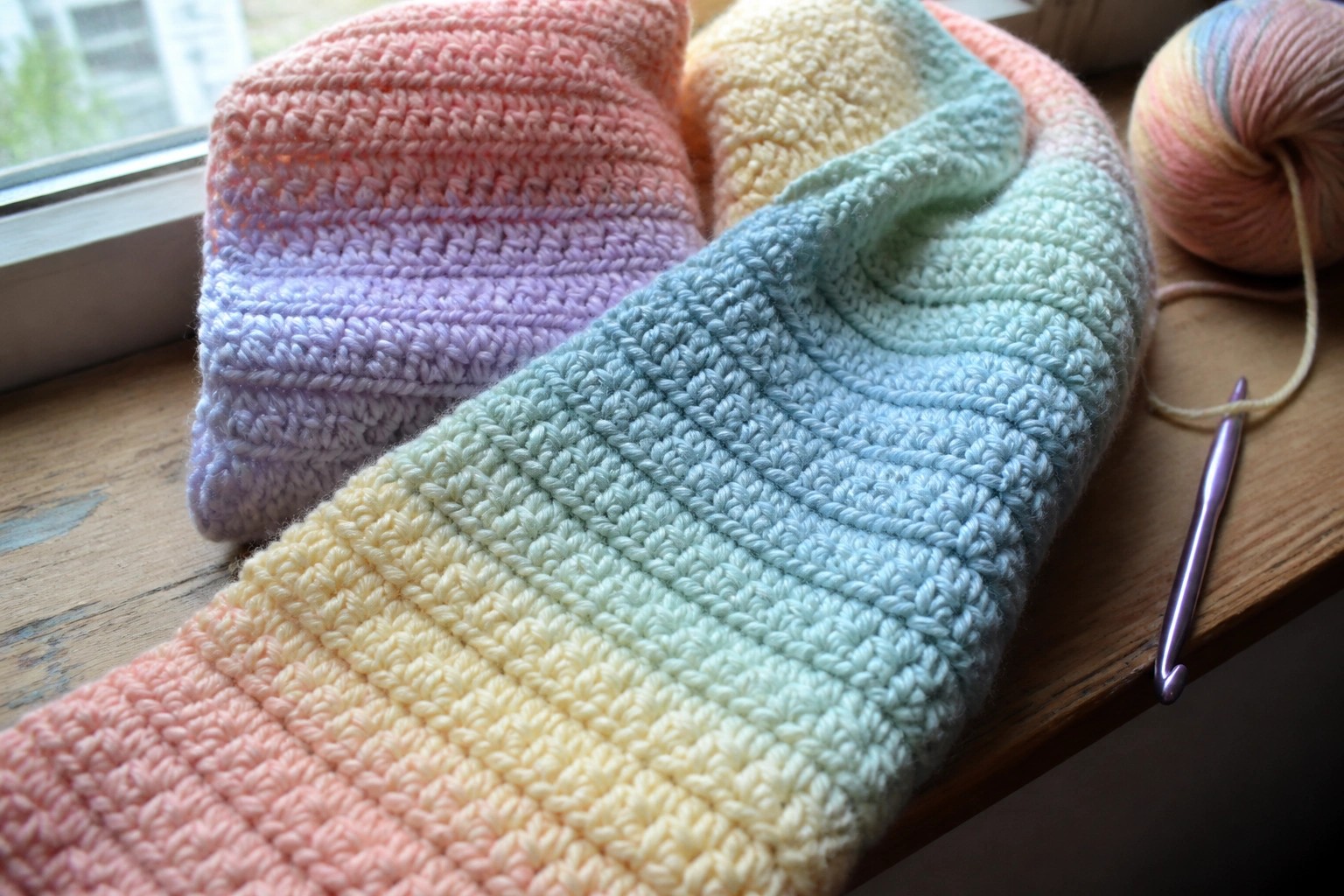
A long rectangular scarf worked in horizontal rows lets you practice steady color changes across multiple shades. The design shifts through a sequence of pastels from purple into blue, green, yellow, and pink, creating clear stripes that highlight each transition. The textured stitch gives the fabric a consistent surface without overpowering the color flow. This format suits the wearable accessory category and produces a straightforward piece that can be worn in multiple ways.
What makes this idea useful is how simple it is to change stripe width or repeat colors based on the yarn you already have. A project like this works especially well as a quick gift that still shows clear progress. You can make it longer for more coverage or switch to a different hook size to adjust drape. The gradual color order photographs clearly, which helps when saving the pattern for later reference.
Open-Stitch Scarf with Gradual Color Shifts
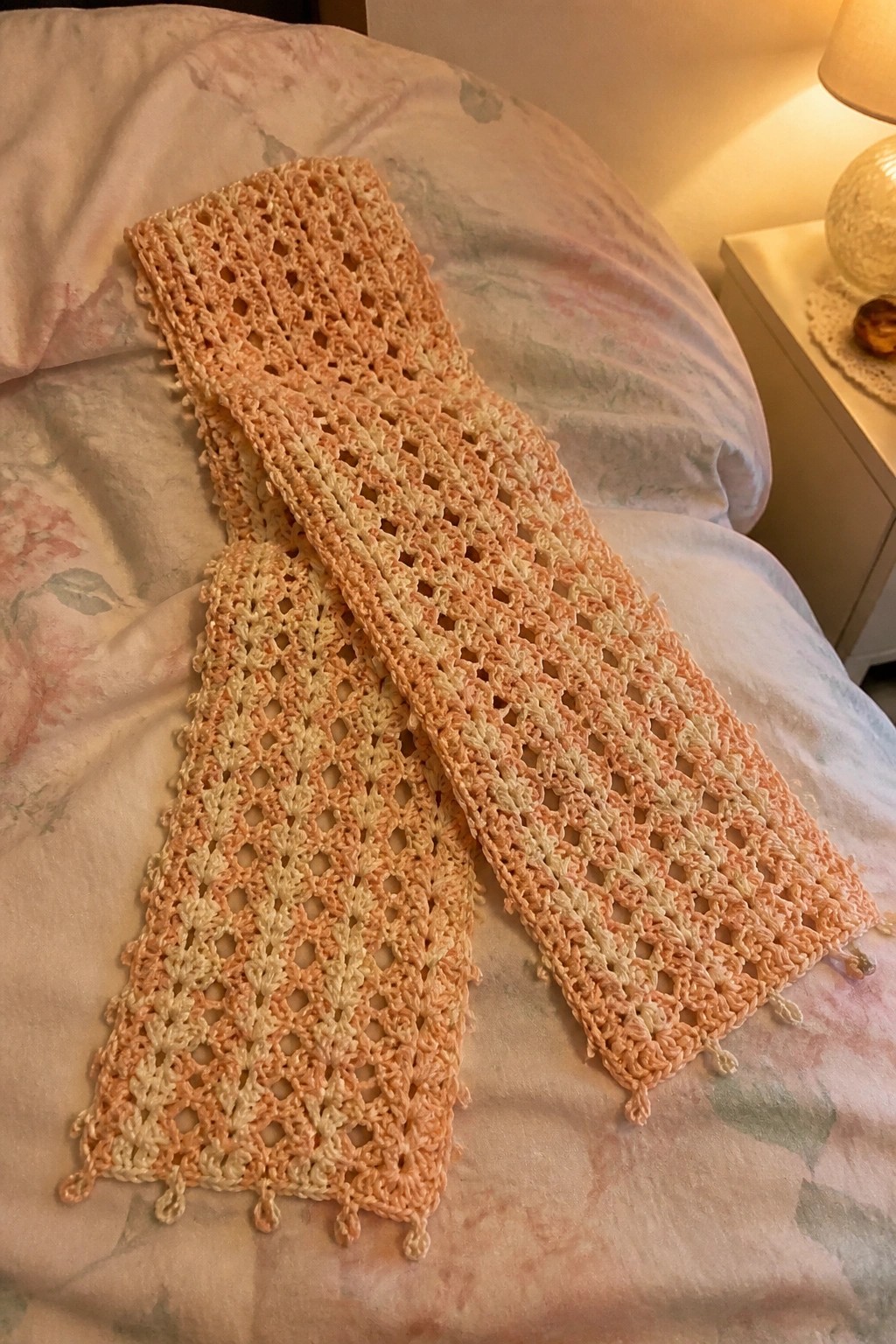
A long rectangular scarf worked in a repeating openwork pattern creates an airy fabric that drapes softly. The design uses simple color changes to move from cream through peach tones, letting the lighter sections highlight the open spaces while the deeper shades add contrast at the ends. Small looped details finish the edges without adding bulk. This approach fits easily into the wearable accessory category and works well for anyone wanting to practice consistent stitch tension across a flat piece.
What makes this idea useful is how the open pattern keeps the scarf lightweight even when made longer. You can adjust the width by adding or removing pattern repeats to suit different yarn weights or personal style. The gradual color shift shows off the texture without requiring many different yarns, so the same layout works for gifts or quick market items. Shortening the length turns the same stitch sequence into a cowl or wrap.
Granny Square Strip Scarf for Color Practice
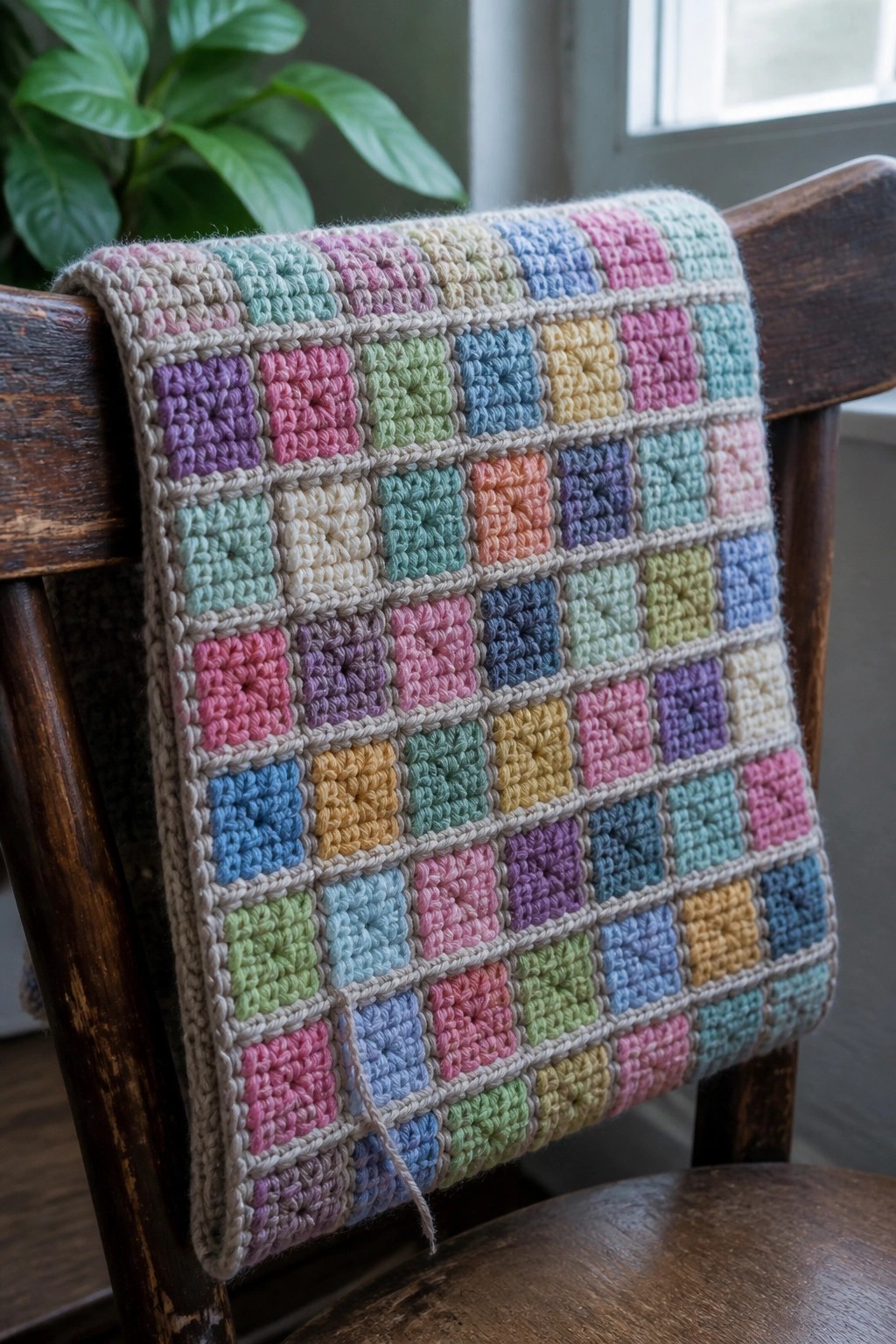
A scarf built from individual granny squares lets you practice color changes by switching yarns for each square before joining them into a long rectangle. The squares sit side by side in rows, with a simple border worked around the finished piece to keep the edges tidy. This layout turns the square motif into a wearable accessory instead of a blanket, so the color blocks run lengthwise and show off the shifts clearly. The openwork inside each square adds light texture without complicating the color work.
What makes this idea useful is that you can change the length simply by adding or removing squares, which works well for both short neck scarves and longer wraps. The small squares also make it easy to use leftover yarn without worrying about matching dye lots. For gifts, a design like this stands out on Pinterest because the grid of colors photographs cleanly and readers can copy the exact layout with their own scraps.
Bobble Rows in Alternating Color Blocks
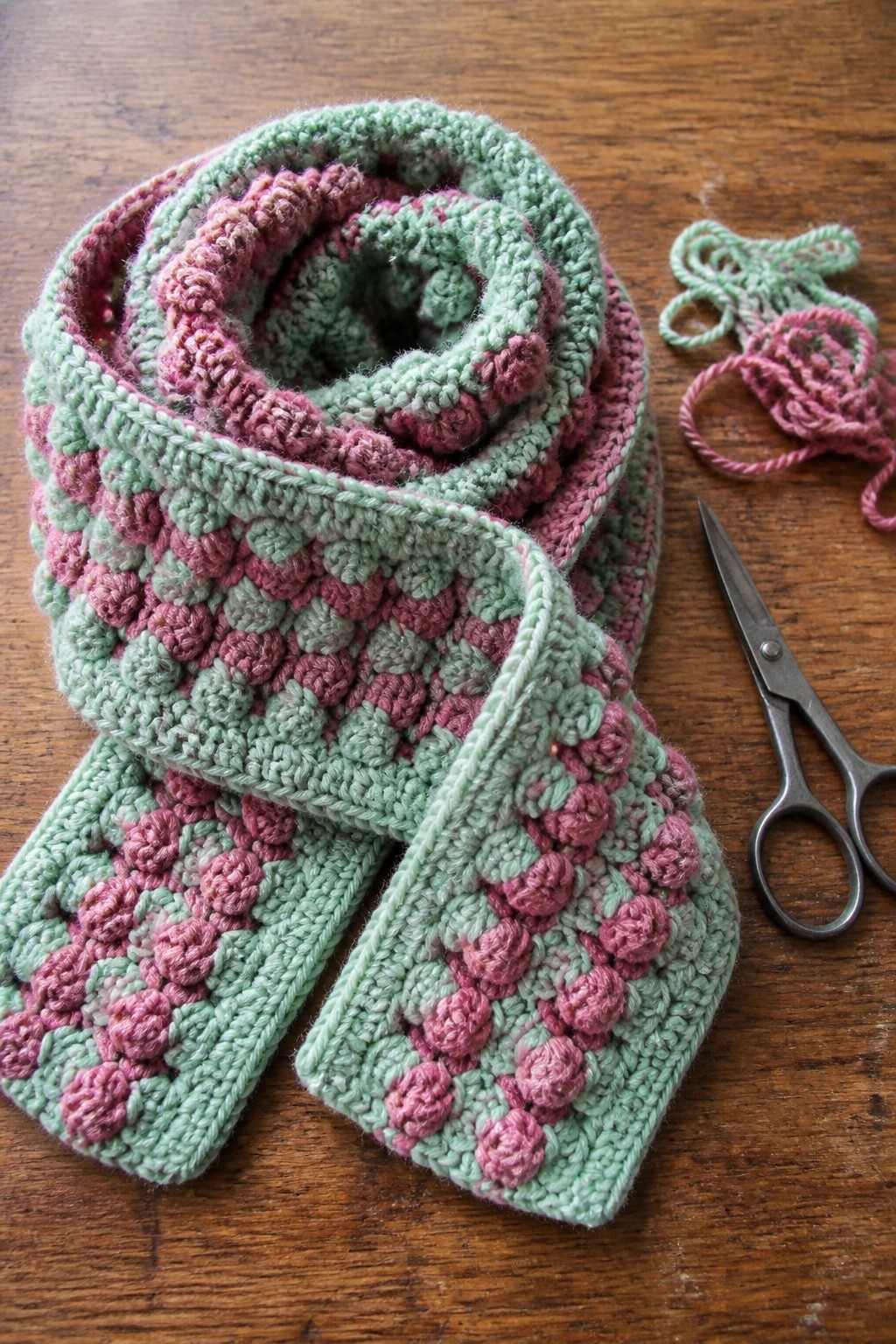
A scarf worked lengthwise in bobble stitches forms raised dots that sit on a flatter background fabric. Alternating two colors every few rows turns each bobble section into a clear stripe and makes the texture read as a repeating pattern rather than random bumps. The long rectangular shape fits a standard neck wrap and uses the color changes to keep the eye moving along the length. This style belongs in the wearable accessory category where simple repeats can still look detailed.
What makes this idea useful is how the bobble repeat can be lengthened or shortened without changing the overall look. You can swap the two colors for different seasons or add a third shade to create wider blocks. A project like this works especially well as a quick gift because the texture shows up well in photos and uses small amounts of yarn. The structure also lets you practice color changes on a flat piece before trying them on shaped items.
Wide Stripe Pastel Scarf

This scarf is a long rectangular piece worked in rows with repeated color changes that form wide horizontal blocks. The design uses five soft shades arranged from top to bottom in a repeating sequence, letting the color changes create the main visual interest. A basic textured stitch keeps the surface even so each stripe stands out clearly. The finished shape is a standard scarf length that works as an everyday accessory.
What makes this idea useful is how the wide stripes let you use up partial skeins without worrying about exact yardage. You can adjust the width of any color or swap in different shades to match a jacket or outfit. A project like this works especially well as a quick gift because the pattern is easy to memorize and the color blocks make it look finished fast. The structure also scales easily if you want a shorter neck wrap or a longer version for colder weather.
Gradient Chevron Scarf
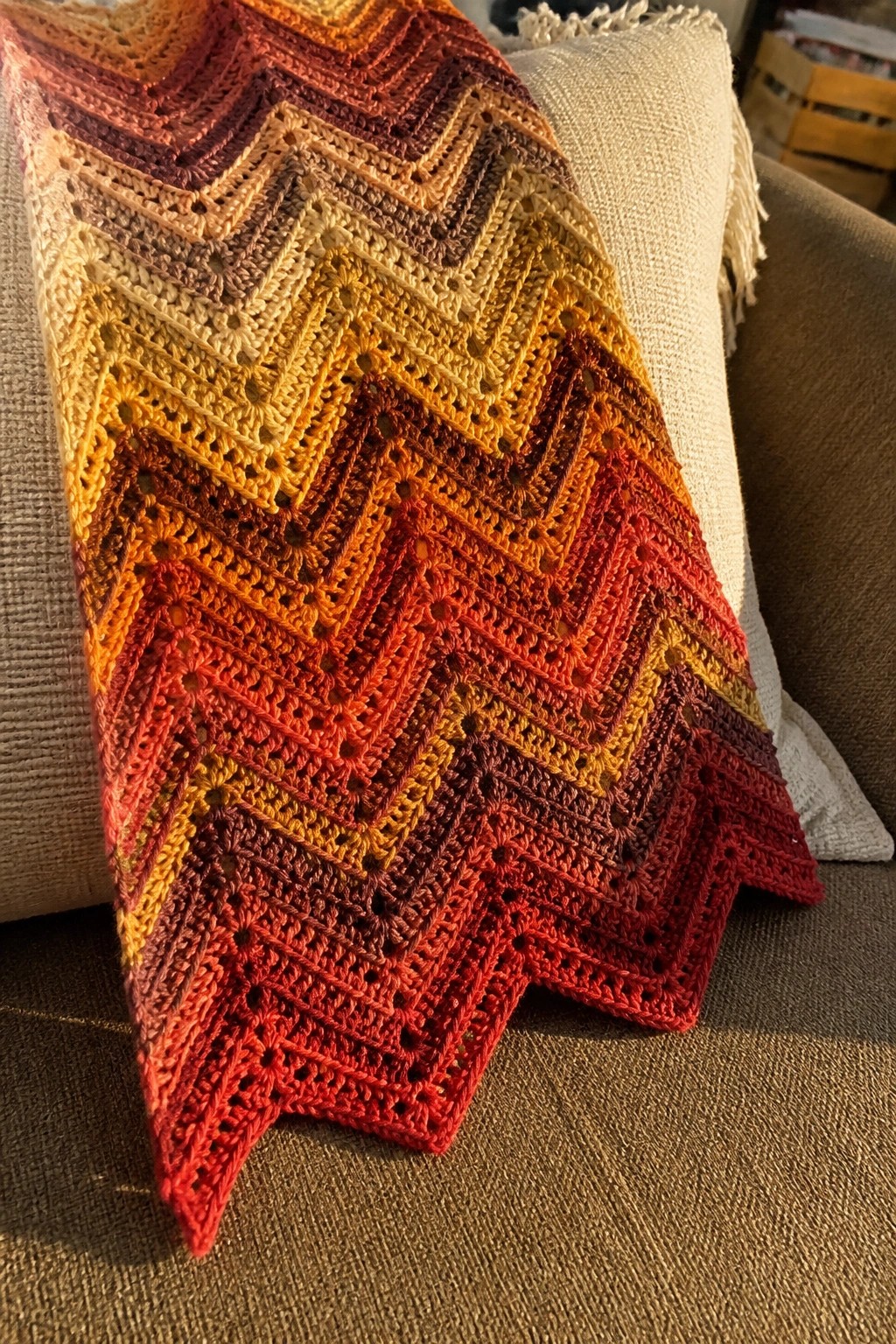
A chevron scarf built from repeating V-shaped rows creates strong diagonal lines that stand out when paired with color changes. The project uses a sequence of warm tones that move from red at one end through orange and yellow toward lighter shades, letting each stripe show the openwork texture clearly. This shape works as a long wearable scarf that drapes easily around the neck or shoulders.
What makes this idea useful is how the color blocks do most of the visual work while the simple repeat stays easy to track. You can lengthen the scarf by adding more rows in each color or narrow it by reducing the starting chain for a child-size version. The open stitch also adapts well to lighter yarn if you want a thinner accessory for milder weather.
Rainbow Granny Square Scarf

A scarf made from joined granny squares creates a lightweight accessory that shows off color changes across each row. The squares follow the usual openwork layout and sit side by side to form a long rectangle. Pastel shades shift gradually from purple through pink, yellow, green, and blue, giving the piece a clear sequence without needing complicated stitches.
What makes this idea useful is how simple it is to adjust the length or width by changing the number of squares. The same layout works for a child-size scarf or a longer adult version, and leftover yarn from other projects can fill in the color steps. For gifts, a design like this finishes quickly once the squares are made and lets you match colors to the recipient’s preferences.
Color Blocked Scarf with Varied Stitch Sections
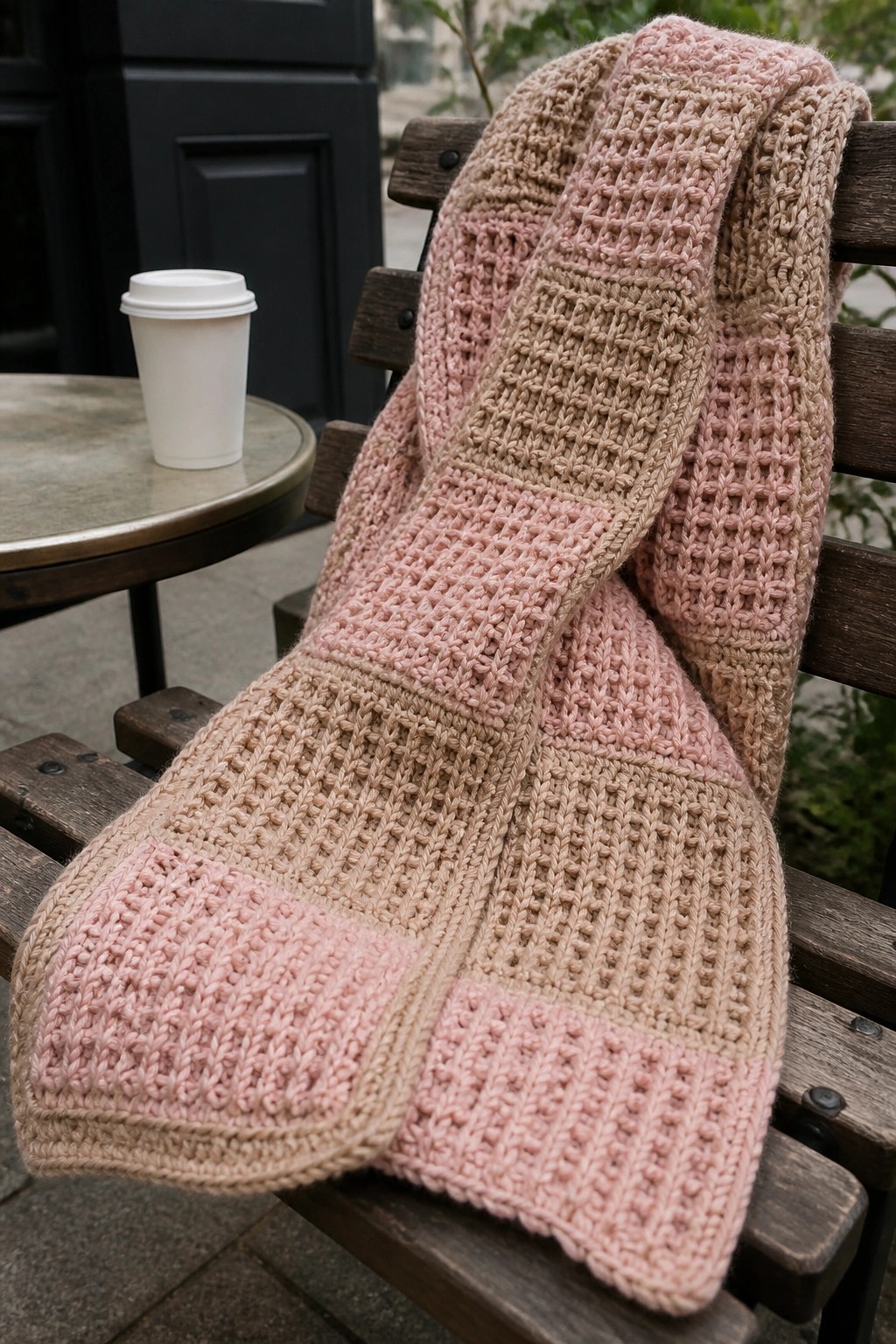
This scarf is built from rectangular blocks that alternate between two soft colors, with each block worked in a different textured stitch pattern. The layout creates clear horizontal divisions that let the textures stand out without competing. It functions as a standard long scarf that can be worn wrapped or draped, making it a straightforward wearable project focused on practicing color changes and texture shifts in one piece.
What makes this idea useful is that the block format lets you test new stitches or swap colors without reworking the whole length. You can shorten it into a cowl, widen the blocks for a blanket sample, or repeat the sequence to adjust the finished size. The two-color approach keeps the yarn changes simple while still showing clear contrast between sections.
Two-Color Bobble Scarf with Striped Texture
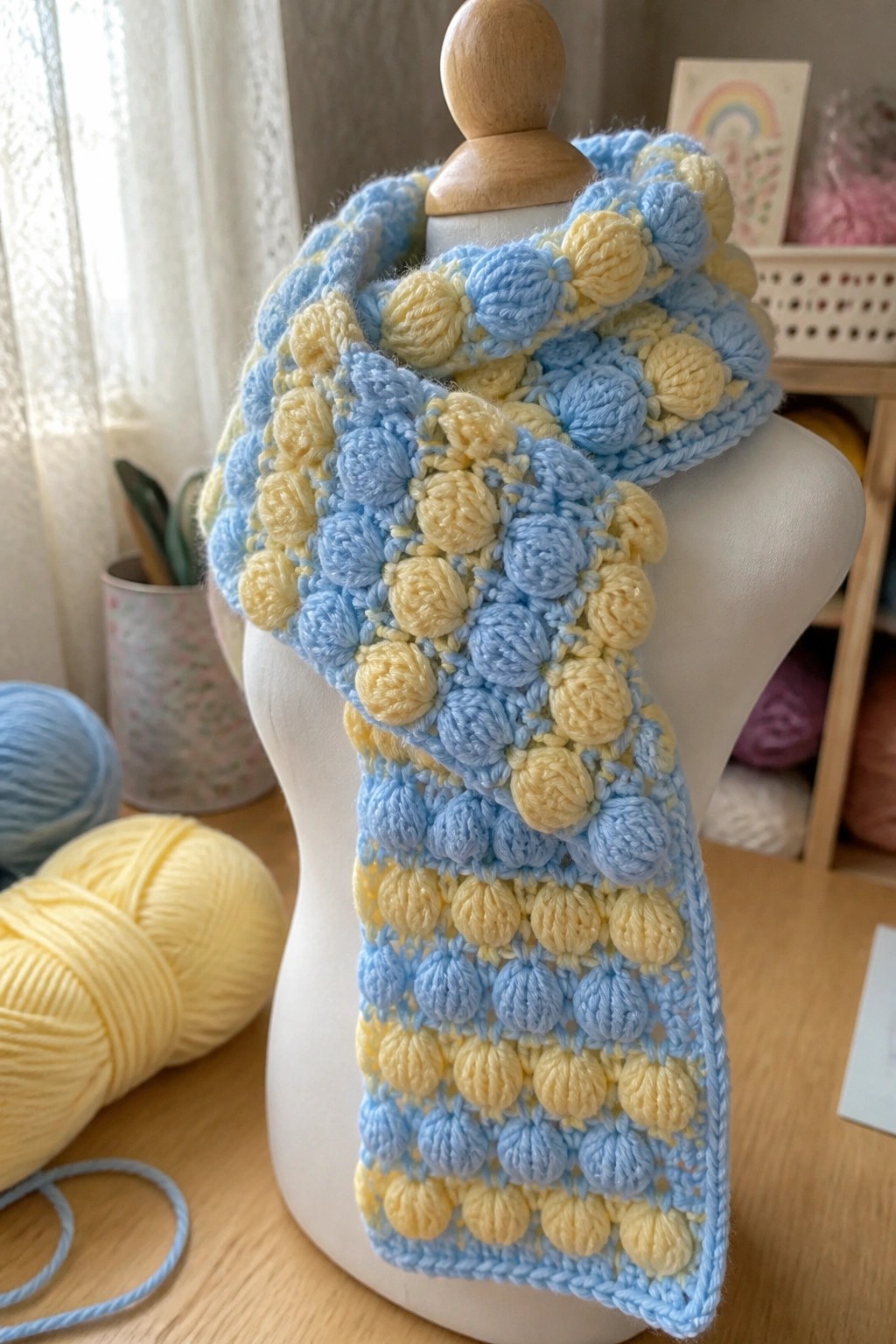
A bobble stitch scarf builds texture through repeated rows of raised bobbles worked in two alternating colors. The design places solid bands of blue and yellow side by side so the bobbles create clear stripes without extra colorwork techniques. This style works well as a wearable accessory that shows both stitch texture and simple color changes in one piece.
What makes this idea useful is how the repeat stays the same across the width, so you can change the finished length by adding or removing rows. The same bobble pattern can be adapted to a single color, more than two shades, or different stripe widths depending on leftover yarn. For gifts, a design like this stays practical because the finished width fits most adults and the texture photographs clearly for sharing.
Rainbow Gradient Scarf with Heart Motifs in Each Band
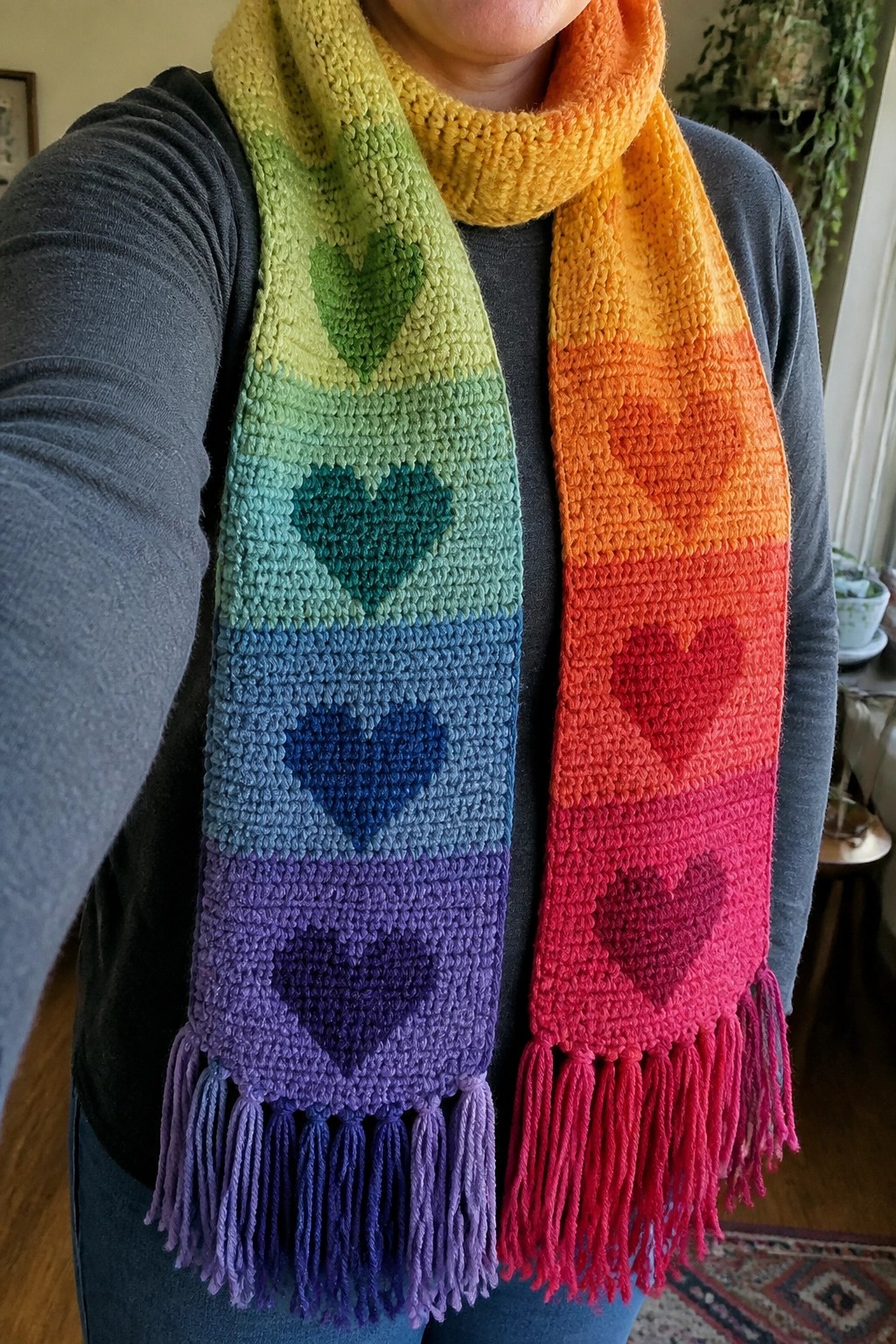
A long rectangular scarf is built from wide horizontal stripes that move through the full rainbow spectrum. Each stripe contains one centered heart created by switching to a darker or contrasting shade within the same color family. The ends are finished with matching yarn fringes that continue the color sequence. This layout keeps the focus on clean color changes and a repeated motif without extra shaping.
What makes this idea useful is how the heart size can be scaled up or down simply by changing the width of each stripe. You could repeat the same heart in a single color family for a more subtle version or shorten the whole piece into a cowl. For gifts, a design like this works well because the color progression and motifs stay visible even when the scarf is folded or wrapped. The structure makes this a smart option for practicing color changes on a project that uses only basic rows.
Open Mesh Scarf for Practicing Color Shifts

A rectangular scarf built from repeating openwork rows forms a lightweight fabric with visible gaps and a slightly raised stitch texture. The pattern creates good drape so the scarf sits flat around the neck without adding bulk. This approach belongs in the wearable accessory category where both stitch variation and color movement show clearly across the length.
What makes this idea useful is how the open structure speeds up color changes because each row turns over quickly. You can shorten or lengthen it by adjusting the number of repeats or switch the border to a tighter stitch if you want more coverage. For gifts, a design like this travels well and uses less yarn than a solid scarf while still looking finished.
Alternating Mesh and Solid Stripe Scarf
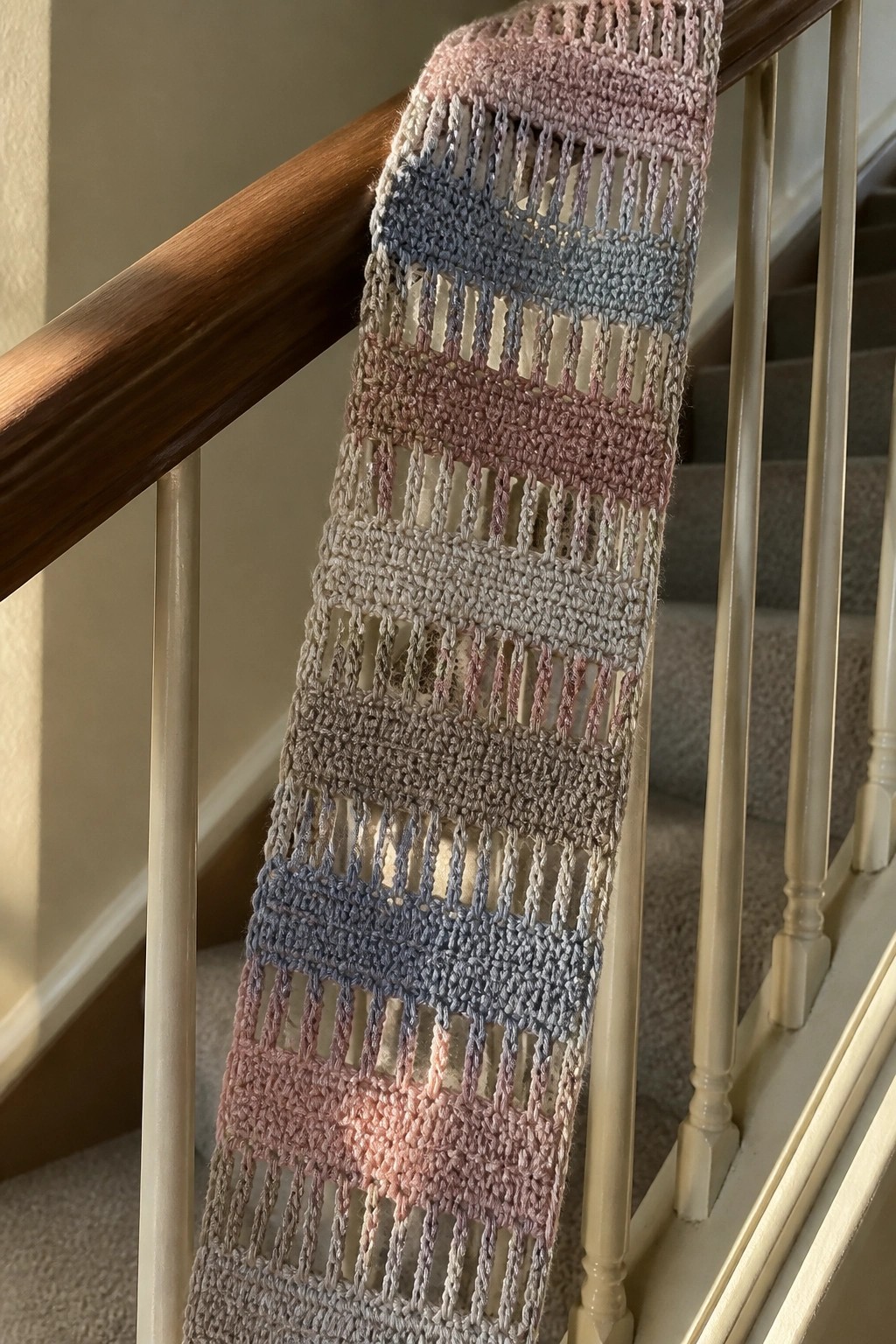
A scarf built from repeating blocks of solid crochet and open mesh sections lets you practice color changes while keeping the fabric lightweight. The solid bands give structure and show off each new color, while the mesh panels add an airy texture that prevents the scarf from feeling heavy. This approach suits a wearable accessory that can be made in any length or width. The design fits the category of scarves meant for practicing both texture and color shifts without complicated shaping.
What makes this idea useful is the simple repeat that works with leftover yarn or planned color palettes. You can shorten the mesh sections for more warmth or widen the solid bands for bolder stripes. For gifts, a design like this adapts quickly to different yarn weights and still shows clear color blocks. The structure makes this a smart option for scarves that photograph well on Pinterest when hung to display both the solid and open areas.
Joined Heart Motifs for Scarf Borders

Crocheted hearts in solid colors are worked in rounds and finished with a white border before being joined edge to edge into a continuous strip. The repeating heart shape creates built-in sections for changing colors while the white outline adds clear separation between each motif. This approach suits scarves because the narrow connected strip can serve as an edging or be repeated to form the full width of the scarf.
What makes this idea useful is how easy it is to adjust the number of hearts to match any scarf length or width. You can keep the same white border across every heart or change it per section to add another layer of color practice. The small finished size of each heart also makes it simple to carry the project in sections and attach them later. A project like this works especially well as a beginner-friendly way to test color order before committing to a longer scarf.
Diagonal Block Scarf for Color Change Practice

A scarf made from connected diagonal blocks lets you practice shifting colors in a repeating rectangular layout. The design uses rows of blocks in blues, greens, and neutrals to form slanted stripes that run the length of the piece. This structure keeps the project simple while showing clear color progressions across the fabric. It works well as a wearable accessory where length gives room for multiple changes.
What makes this idea useful is how the block format makes it simple to use up small amounts of yarn in any order. You can adjust the width by adding more blocks side to side or change the length for a shorter neck wrap. The diagonal lines create a strong visual pattern that photographs clearly for sharing, so the finished scarf stands out in collections of colorwork projects.
Repeating Circular Motif Scarf

A scarf made from connected circular motifs produces an open pattern with built-in texture through the repeated flower shapes. The motifs line up diagonally along the length while the scalloped edge forms naturally from the motif outlines. This approach works as a wearable accessory and lets you build the fabric motif by motif without sewing pieces together later.
What makes this idea useful is how the width adjusts simply by starting with more or fewer motifs across. The open structure drapes well in medium-weight yarn and still shows the pattern clearly. For gifts, a design like this works because the repeat is easy to learn yet produces a finished look that photographs well for sharing. You can also shift to two or three colors by changing at each new row of motifs.
Basketweave Lattice Scarf
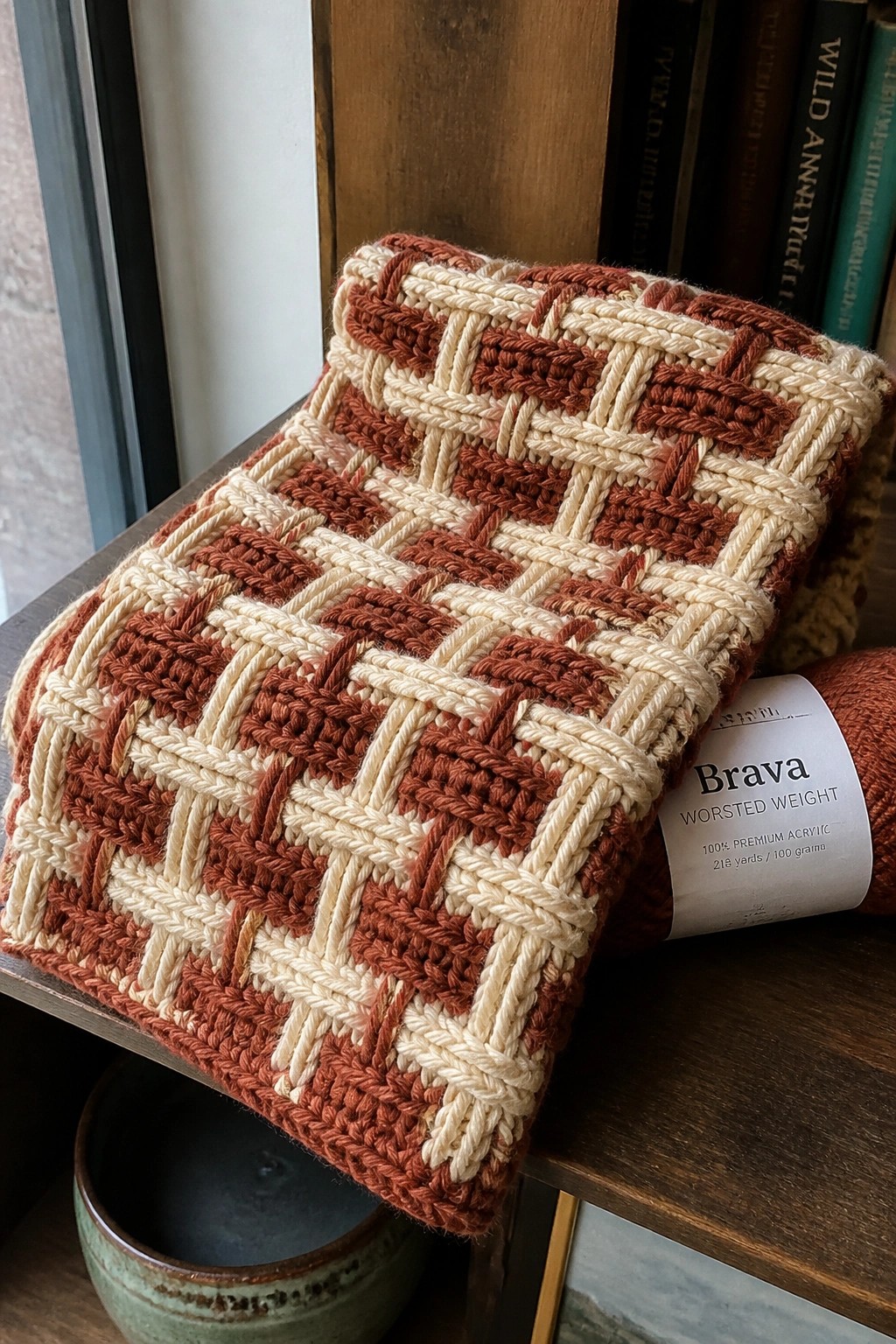
A scarf built from repeating blocks of two colors uses raised stitches to form a lattice that mimics woven fabric. The cream and rust sections alternate in both directions so the pattern reads as a grid of small squares rather than simple stripes. This approach suits an everyday accessory because the texture adds weight and the color changes stay easy to track row by row.
What makes this idea useful is that the block size can be changed to make the scarf narrower for kids or wider for a wrap. The same layout works with any two worsted yarns you already have on hand, and the finished length is simple to adjust by adding or removing repeats. For gifts, the plaid effect photographs cleanly on social media without extra styling.
Diagonal Gradient Scarf With Textured Stripes

A scarf worked on the diagonal lets color changes form wide angled stripes that run across the fabric. The plush stitch texture adds dimension so each band of color stands out clearly without extra pattern work. This shape creates a long rectangle that drapes well and gives plenty of room to practice smooth color transitions.
What makes this idea useful is how easy it is to change the width by adjusting the starting chain and to pick any sequence of colors for the stripes. The diagonal layout keeps the design interesting even with basic rows, so it works as a quick gift or an everyday accessory. You can shorten it into a cowl or extend the length for a full wrap depending on the yarn and hook size you already have.
Striped Open Shell Scarf with Fringe
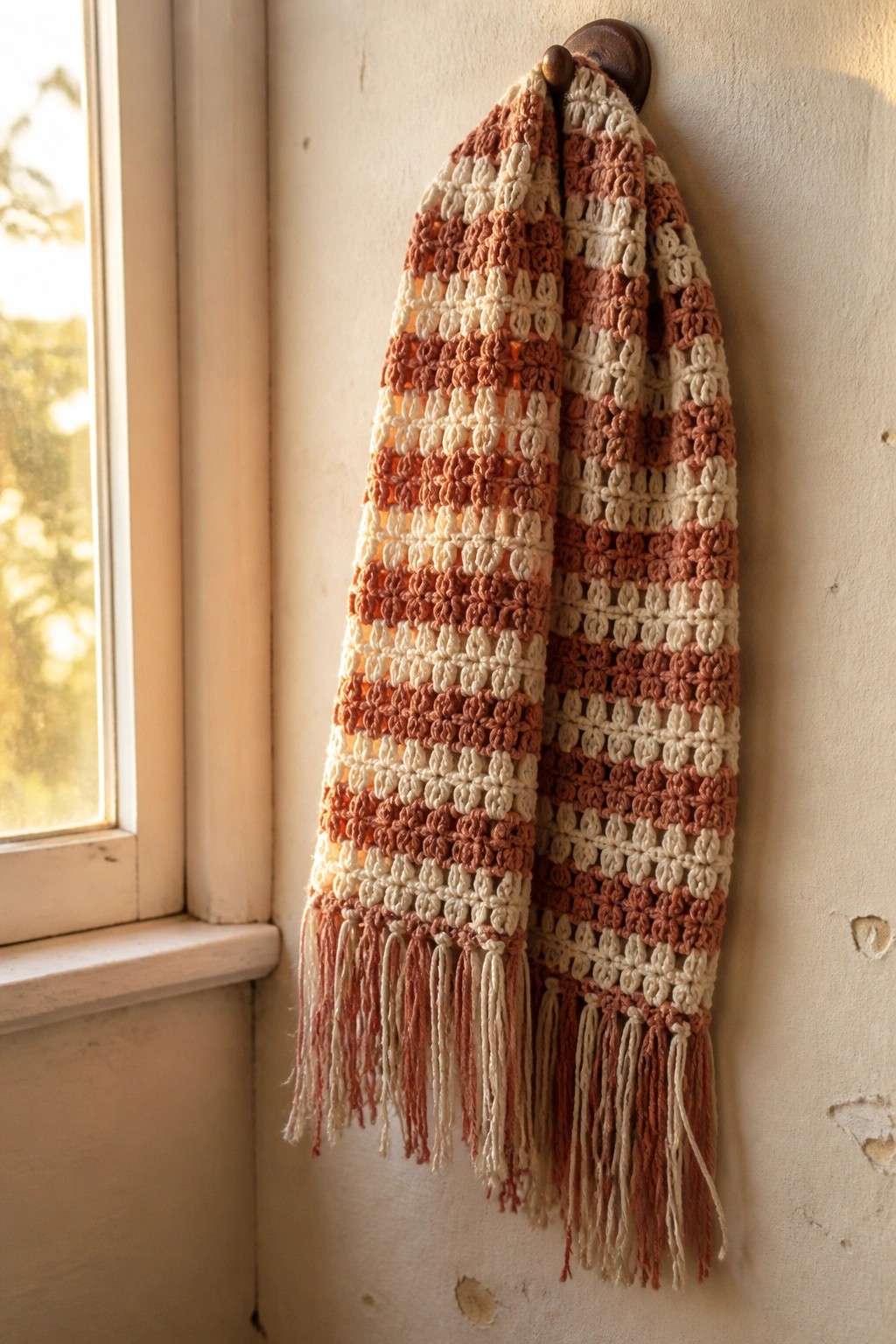
A scarf built from horizontal rows of open shell stitches creates a light fabric with visible texture. The design uses two colors in wide alternating bands to make each row stand out clearly. Fringe added to the ends finishes the length and adds movement when worn. This falls into the wearable accessory category and works well for practicing even color changes across a long piece.
What makes this idea useful is how the stripes let you test tension without complex shaping. You can change the starting chain to adjust width or swap the number of rows per color to shift the balance. For gifts, a design like this works because the pattern repeats quickly once the first few rows are set. The same structure also adapts easily if you want to shorten it into a cowl or use leftover yarn from other projects.
Gradient Striped Scarf with Scalloped Border
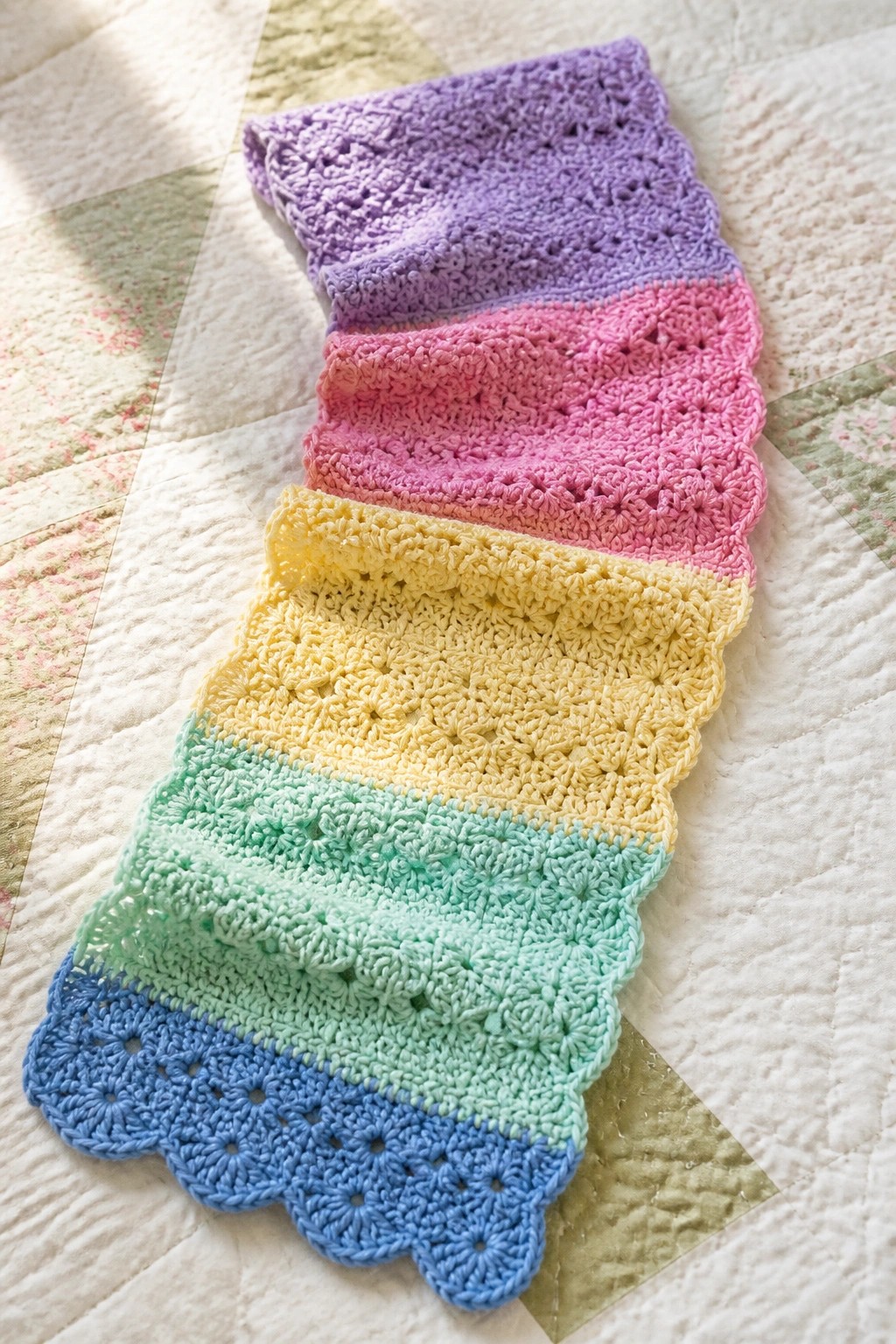
A long scarf built from horizontal color blocks lets you practice clean color changes while working the same textured stitch across each section. The sequence moves from blue at the scalloped end through green, yellow, pink, and purple, keeping the width consistent from one end to the other. This format fits the wearable accessory category and shows how simple stripe repeats can create a finished piece without complex shaping.
What makes this idea useful is how easy it is to shorten the scarf for a child or lengthen it for an adult by adding or removing rows in any color. You can swap the rainbow order for seasonal tones or use up leftover yarn from bigger projects without buying new skeins. For gifts, a design like this works especially well because it needs little finishing and photographs clearly for pattern sharing.
Textured Rectangular Scarf with Variegated Yarn
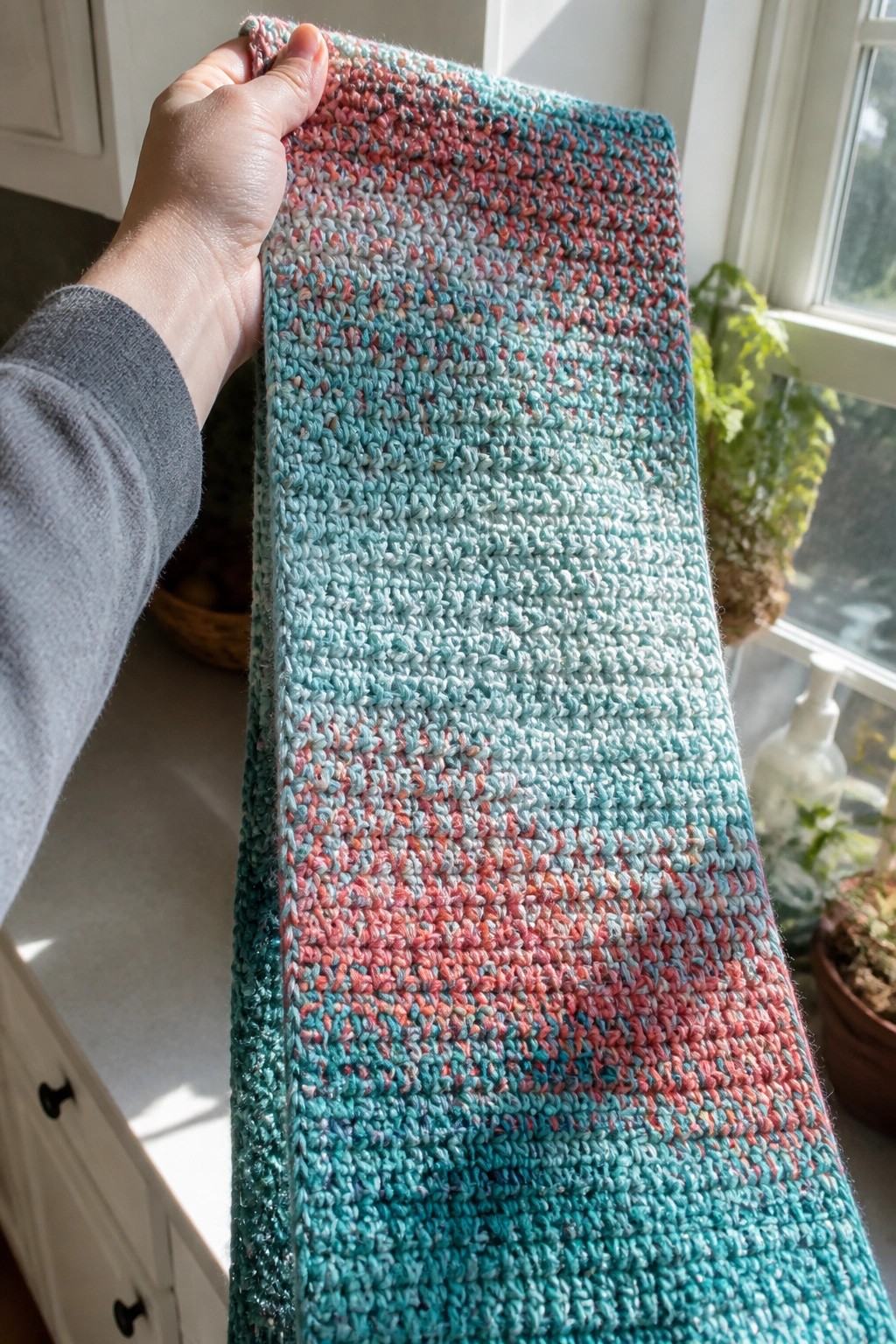
A long rectangular scarf worked in repeating rows creates a simple base for practicing color changes. The variegated yarn shifts gradually through teal, coral, and gray tones, letting the colors move across the fabric without manual switching. The horizontal rows produce a consistent ridged texture that highlights each color section as it appears. This approach fits the wearable accessory category and works at any width or length.
What makes this idea useful is that the yarn itself manages the color transitions. You can change the starting chain to adjust width or keep adding rows until the scarf reaches your preferred length. For gifts, a design like this turns out quickly once you pick a variegated skein you like. The structure also makes it easy to test new stitch patterns while keeping the overall shape the same.
Bobble Stitch Scarf for Solid Color Texture Practice
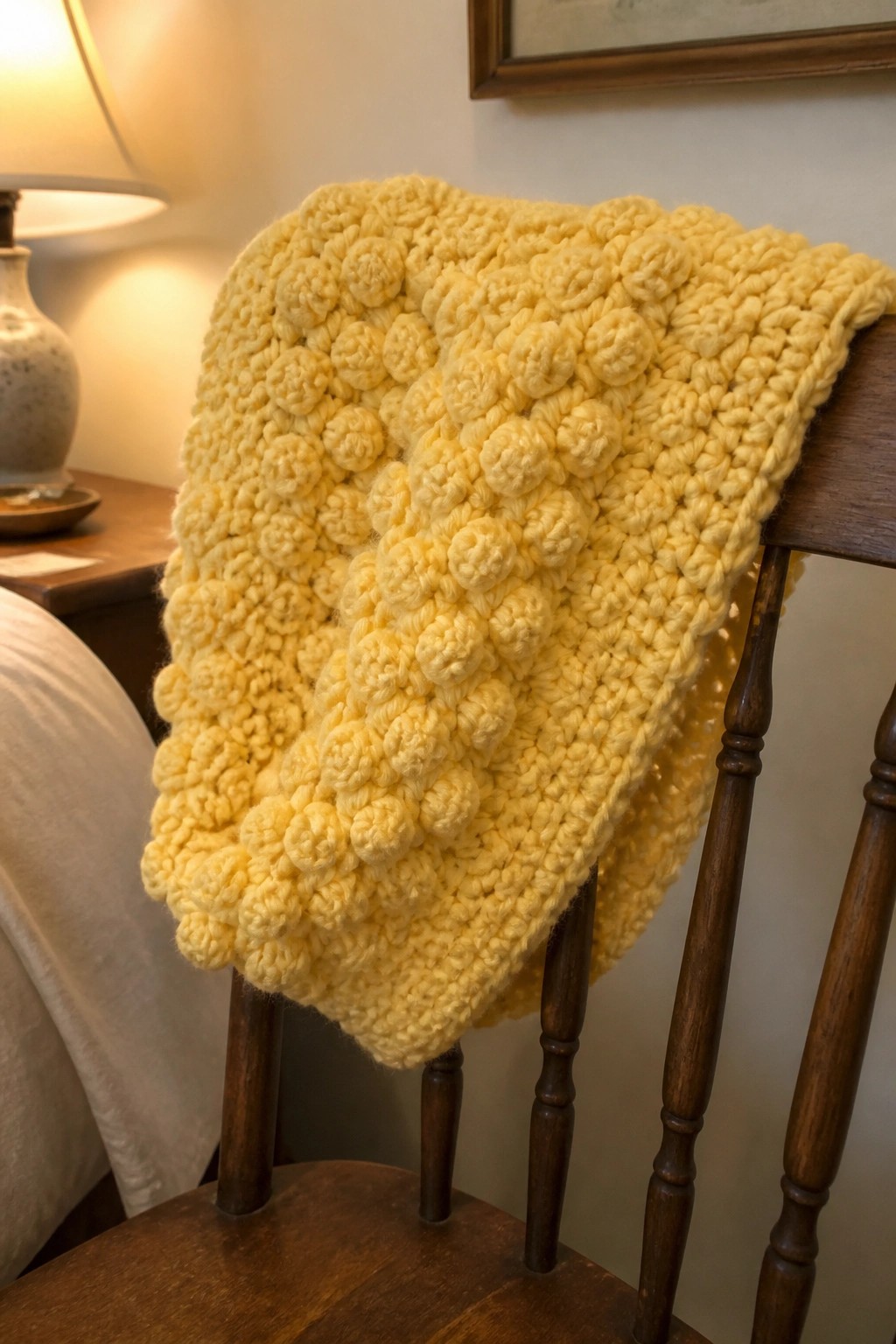
A bobble stitch scarf builds dimension through repeated clusters that stand out from the base fabric. This creates a thick, structured accessory that suits cold weather wear because the raised areas add weight and trap warmth. The pattern stays simple enough to repeat across the full length while keeping the focus on texture rather than color shifts.
What makes this idea useful is how the single color choice highlights the stitch work so beginners can master the technique before trying variegated yarns. You can shorten the width for a cowl or extend the length for a wrap that layers over coats. For gifts, a design like this works especially well because the texture reads clearly in photos and holds up after repeated wear.
Striped Scarf with Scattered Star Motifs
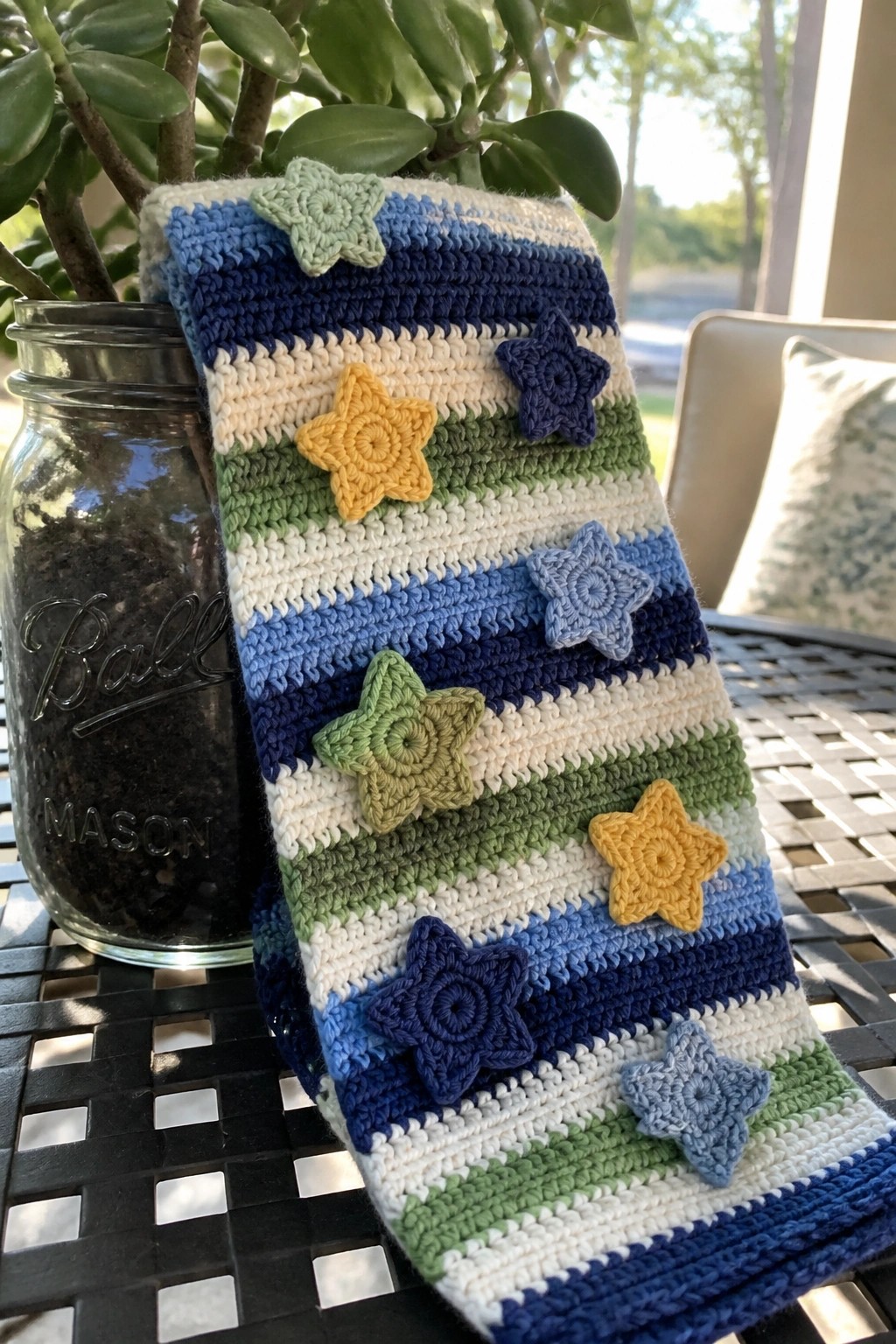
A scarf built from wide horizontal stripes offers a simple base for adding separate star motifs in several sizes and colors. The stars are placed at irregular intervals along the length so they stand out against the bands without crowding the surface. This combination keeps the project focused on color changes while adding a layer of shape and texture that flat stripes alone cannot provide.
What makes this idea useful is how quickly the stars can be made in leftover yarn and moved around until the spacing looks right. You can change the stripe order or width to use up partial skeins, or reduce the number of stars if you want a quicker finish. For gifts, a design like this works especially well because the motifs give it a distinct look that still relies on basic techniques most crocheters already know.
Textured Scarf in Variegated Yarn

A long rectangular scarf worked in a repeating textured stitch uses variegated yarn to handle the color shifts. The pink and green tones blend across the rows and make the raised stitch pattern stand out without extra color changes. This style fits the wearable accessory category and works for daily use because the fabric stays flexible while showing clear texture.
What makes this idea useful is how the yarn carries the color changes so you only focus on the stitch repeat. You can shorten the length for a cowl or widen the starting chain for a thicker wrap. The same pattern also translates easily to different yarn weights if you want a lighter or heavier version.
Frequently Asked Questions
What yarn works best for these scarf patterns that emphasize texture and color changes? Choose medium weight yarns such as worsted acrylic or soft wool blends because they highlight stitch definition while allowing colors to blend smoothly. Opt for yarns with high contrast between shades to make transitions stand out clearly and test different fiber contents to see which maintains shape best during wear.
How can beginners master color changes without creating gaps or loose ends in these patterns? Work the last stitch of a row until the final yarn over then complete it with the new color to create a seamless join. Carry unused yarn loosely along the edge and weave ends in as you go to keep the fabric flat. Practice on small swatches first to build consistent tension before starting a full scarf.
Which patterns among the 23 offer the easiest entry point for practicing both texture and color work at once? Start with designs that combine basic rows of single crochet or half double crochet with simple color blocks and occasional puff stitches. These allow you to focus on one new element at a time while still producing a cozy finished piece suitable for daily use.
How do you keep scarves from curling at the edges when adding texture stitches and frequent color shifts? Begin and end each row with a border of single crochet or slip stitches to anchor the fabric. Block the finished scarf by pinning it to shape and steaming lightly which relaxes the stitches and evens out any rolling caused by textured sections.
What care steps help these textured scarves stay cozy and vibrant after multiple washes? Turn the scarf inside out before machine washing on a gentle cycle with cool water and mild detergent. Lay it flat to dry away from direct heat to preserve texture definition and prevent color fading from repeated exposure to sunlight or harsh drying methods.
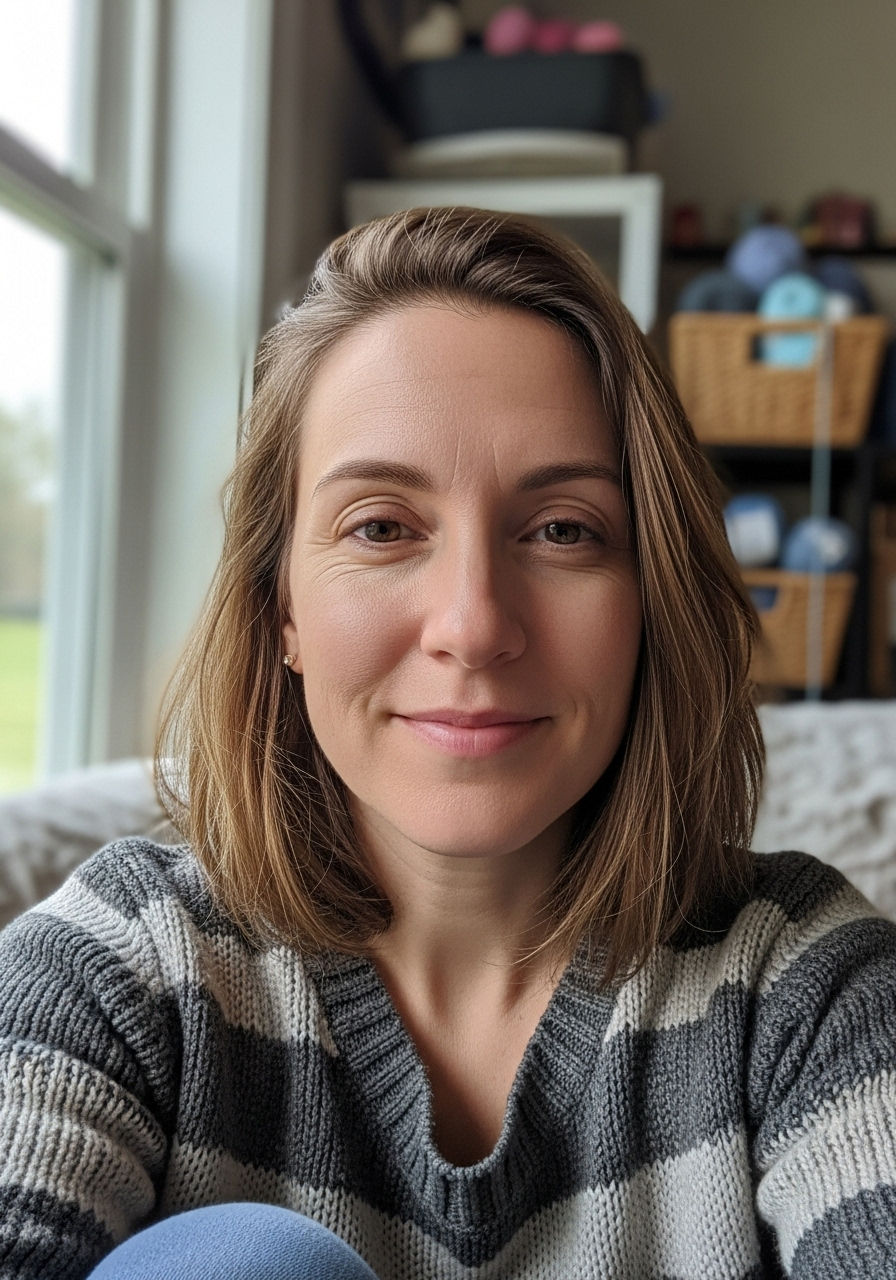
Hi, I’m Emily, the creator of The Yarn Haven.
I picked up my first crochet hook as a kid, sitting on the floor next to my grandmother while she worked on blankets for everyone in the family. What started as a simple hobby slowly became my favorite way to unwind and create something meaningful with my hands.
I believe crochet should feel relaxing, not stressful. Most of the ideas I share are simple, cozy, and practical. Things you can actually finish and enjoy, even if you only have a little time in the evenings.
The Yarn Haven is where I share crochet inspiration, yarn ideas, and projects that fit into real life. Nothing fancy. Just warm, handmade creativity that feels good from start to finish.