
I started using tapestry crochet for home projects because it helps add color without needing complicated stitches.
It works well for things like cushions and throws that get regular use in my house.
Over the past couple of years I have tried different patterns and figured out what holds up best.
I gathered eighteen ideas that build on those experiments and might fit other spaces too.
They range from smaller accents to bigger pieces depending on how much time you have.
Tapestry Crochet Chevron Pillow Cover

A tapestry crochet pillow cover uses color changes to form a repeating chevron pattern across the front panel. The design works well on a standard throw pillow because the diagonal stripes create movement while staying balanced within the square shape. Dense single crochet stitches give the fabric enough structure to sit upright on furniture without sagging. This approach fits the home decor category and pairs easily with neutral seating.
What makes this idea useful is how the chevron can be adjusted in width or height to match any pillow insert size. The four-color repeat stays simple to track yet produces a clear graphic effect that shows up well in photos. For decor, this kind of shape works especially well as a quick seasonal swap since the same pattern can be reworked in different palettes. The structure also makes it straightforward to turn the front panel into a matching lumbar cushion or even a tote front.
Tapestry Crochet Sunburst Floor Mat

A round mat built in tapestry crochet starts with a tight center and grows outward through repeating rounds that form pointed star shapes. Color shifts in rust, terracotta, and cream create the radiating pattern while the dense stitch texture keeps the surface flat and sturdy. This style of project works well as a small floor mat, plant pad, or tabletop cover where a compact circular piece is needed.
What makes this idea useful is the way the circular format lets you stop at any round size to match your space. You can repeat the same color sequence in different weights of yarn to make matching coasters or a larger rug, and the tapestry method leaves the back clean enough to flip the mat over. For gifts, a design like this finishes quickly once the color order is set and stands out in photos because the bold rings read clearly from a distance.
Potted Cactus Tapestry Crochet Hoop

A tapestry crochet panel worked in a circle shows a simple cactus with two arms using several shades of green, set in a terracotta pot that includes a white zigzag stripe across the middle. The design fits neatly into an embroidery hoop for hanging and uses the contrast between the plant, pot, and background to keep the shapes readable without extra outlining. This motif suits wall or shelf decor because the compact round format finishes quickly and stays flat once blocked.
The small scale makes this easy to adapt by changing the pot stripe or adding a third arm to the cactus. A project like this works especially well as a first tapestry crochet piece since the short color changes build fast in the round. You could swap the flower colors on top or resize the whole thing to fit a larger hoop if you want a bigger statement piece.
Horizontal Stripe Basket for Yarn Storage

A round crochet basket built with simple horizontal stripes makes an easy storage solution for yarn or small craft supplies. The design uses successive rounds in different colors to create clean bands that define the shape without needing complex charts. This approach fits the decor category because the basket stays useful while adding a structured, colorful accent to a shelf or table. The tight stitch texture keeps the sides firm so the basket holds its form even when full.
What makes this idea useful is how the stripe sequence lets you use up partial skeins without planning a full colorwork pattern. You could change the height or diameter to fit plant pots, desk organizers, or toy bins. For gifts, a design like this works especially well because the color order can be swapped to match any room. The structure also scales quickly once the base is established.
Citrus Slice Coasters

These coasters use a round motif divided into wedge sections that copy the look of cut citrus fruit. Each one has a white center ring, colored segments, and a scalloped border in a second shade. The finished pieces stack neatly and sit flat under glasses or mugs. They belong in the home decor category as small, repeatable table items.
What makes this idea useful is the small finished size that lets you work up a full set in an evening. You can change the segment colors or add an extra white round to match different dishware without altering the pattern. For gifts, a design like this packs flat and uses little yarn. The bold color blocks also photograph well for pattern shares or shop listings.
Stepped Color Block Pot Sleeve

A tapestry crochet sleeve fits over a terracotta pot to add a removable decorative layer. Horizontal stripes in mustard yellow, dusty rose, and teal meet in a stepped diagonal pattern that creates clean geometric shifts. The dense stitch texture keeps the sleeve structured so it sits flush against the pot without slipping. This type of project works as straightforward home decor that updates basic planters.
What makes this idea useful is how the sleeve can be worked to any pot circumference by adjusting the starting chain. Change the stripe widths or swap in leftover yarn to match existing room colors. The removable format lets you reuse the same pot with different covers throughout the year. For gifts, a project like this pairs easily with a small plant for a low-cost handmade option.
Cloud Motif Tapestry Pillow Cover

A rectangular pillow cover uses tapestry crochet to place rows of simple cloud shapes across a cream base. Light blue and peach clouds alternate in a scattered pattern, each finished with small stitched faces. The approach fits decorative pillows or cushions where colorwork adds pattern to a standard shape without needing complex shaping.
The small scale of the clouds makes this easy to adapt to different pillow sizes or even a matching bolster. You can change the two accent colors to suit any room or repeat the motif across a larger blanket panel. For decor, this kind of shape works especially well on neutral bedding where the soft tones stand out against textured stitches.
Geometric Tapestry Crochet Lampshade

A tapestry crochet lampshade cover uses colorwork to build large abstract shapes across a cylindrical form. The design works by placing blocks of warm orange, red, and yellow against cooler green and blue sections so the pattern stays bold even when the light is on. This approach fits the home decor category and turns a basic lamp into a focal point without needing complicated stitches.
What makes this idea useful is how the same cylinder shape can be resized for different lamps or turned into a hanging pendant version. The color blocking hides minor tension changes, which helps when testing new palettes. For decor, this kind of shade works especially well in spaces that already have wood tones or neutral walls. You can swap just the cover when you want a seasonal refresh instead of buying a whole new lamp.
Crocheted Star Garland for Window Rods

A garland of small crocheted stars in pastel colors works as a lightweight hanging piece that stretches across a curtain rod or similar support. Each star is made separately in the round then threaded onto a cord, with some showing simple embroidered faces that add detail without extra bulk. The repeating sequence of mint, peach, yellow, and lavender creates a clear color pattern that contrasts with light fabric behind it. This falls into the garland category for home decor.
The small scale makes this easy to adapt by changing the total number of stars or the distance between them to match different rod lengths. You can swap colors to fit bedding, walls, or seasonal themes while still using the same basic shape. For decor, this kind of shape works especially well in a child’s room or above a shelf where the line of color adds interest without blocking light. A project like this would be easy to turn into a longer version for a party backdrop or a shorter one for a door frame.
Rainbow Striped Draft Stopper

A long tubular draft stopper made with striped rows in rainbow colors blocks gaps under doors. The design uses a basic tube shape filled with weight to stay in place while the color bands run the full length. This type of project fits the home decor category and suits any entryway or interior door where light and air need controlling.
What makes this idea useful is how simple it is to adjust the finished length to fit different door widths. You can swap in any color sequence or switch the filling for rice, dried beans, or foam to change the weight. For decor, this kind of shape stands out on Pinterest because the stripes create instant color impact without complex patterning.
Mushroom Tapestry Crochet Placemats

Tapestry crochet produces mushroom-shaped placemats by working separate color sections for the cap, gills, and stem. The cap uses a solid base color with scattered lighter dots while the underside shows repeating wedge shapes in two or three tones. The stem stays in a single neutral color and extends downward to form a handle-like base. This layout creates a flat, functional piece that works as both a trivet and a table mat.
The small scale makes this easy to adapt into coasters or larger hot pads by simply adjusting the starting chain. You can swap the cap color for each season while keeping the same dot and gill pattern. A project like this works especially well in kitchens because the shape stays recognizable even in solid or low-contrast yarns. The dense stitch structure also gives enough thickness to protect surfaces without needing extra backing.
Checkered Crochet Seat Cover for Wooden Chairs

A checkered seat cover built from blocks of color in tapestry crochet gives a standard wooden chair a quick visual update. The pattern repeats squares in soft yellow, lavender, mint, and white across the entire top surface to form a balanced grid. This layout suits dining or desk chairs where the seat gets daily use and needs a durable fabric layer. The even spacing of the blocks keeps the design readable even from a distance.
What makes this idea useful is how the square count can be counted directly from the chair measurements before starting. Swap the pastels for two or three stronger colors if the room already has busy patterns. A project like this works especially well as a low-cost way to refresh mismatched secondhand chairs without reupholstering. The structure makes this a smart option for protecting cushions while the color grid stays visible.
Geometric Tapestry Crochet Jar Cover

A tapestry crochet cozy wraps a straight-sided jar to create a sturdy, patterned container for kitchen tools. The two-color geometric repeat forms a continuous band around the cylinder, with the color changes producing a clear stepped diamond motif. This style suits small decor storage because the dense stitches add grip and shape while the limited palette keeps the pattern readable at any scale.
What makes this idea useful is how simply the height and circumference adjust to fit jars, cans, or even small baskets in any room. Swap the yarn colors to match existing linens or try a single motif repeat for a quicker version. For gifts, a design like this works especially well because it needs only a small amount of yarn and turns an everyday object into something more organized.
Tapestry Crochet Heart Throw Blanket

A tapestry crochet throw blanket features rows of heart shapes created through colorwork on a neutral background. The hearts appear in soft peach, mint green, and lavender, arranged in horizontal bands with a fringed edge in matching tones. This motif works well for home decor items like sofa throws because the repeating pattern provides visual texture while remaining simple to execute.
What makes this idea useful is the flexibility to adjust the number of heart rows to change the blanket’s length or width. The color blocking lets you personalize it for any interior style by swapping in different shades. For gifts, a design like this stands out because the fringed edge adds a finished look without extra effort.
Celestial Mobile with Crocheted Moons and Stars

A hanging mobile built from crocheted crescent moons and stars makes a simple ceiling or window decoration. Each motif is worked in the round and suspended at staggered lengths from a wooden ring with basic string and bead spacers. Switching between a few solid colors across the shapes keeps the design clear while the repeated forms create rhythm. This project falls into the hanging decor category and suits rooms where you want light, movable elements.
What makes this idea useful is how quickly the individual pieces can be resized or recolored to fit a new space. The small scale means you can add or remove strands without reworking the whole ring. For decor, this kind of shape adapts easily to other themes by changing the outlines to leaves, clouds, or hearts. The structure also works well for gifts since the finished mobile packs flat and needs only a ring and string to assemble.
Miniature Variegated Succulents in Painted Pots

Crocheted succulents built with multiple colors in each round produce the mottled and striped leaf patterns typical of real plants. The pieces are worked in tight rounds to form compact rosettes and clustered shapes, then set into small pots that hold them upright. This approach keeps the focus on color placement and shape rather than complex stitches, resulting in decor that reads clearly from a short distance.
What makes this idea useful is how easily the same pattern can be repeated in new color mixes to suit different rooms or seasons. The finished size works well on shelves, desks, or windowsills where space is limited. For gifts, making a group of three or four in matching but varied pots creates a complete set without much extra time or yarn. The structure also lends itself to quick swaps of pot colors if you want to refresh the look later.
Tapestry Crochet Wall Pockets for Tool Storage

A tapestry crochet wall hanging with three attached pockets offers a compact way to store small items like scissors, rulers, and notebooks. The top portion uses a two-color geometric pattern across the full width, while each lower pocket carries its own centered motif in a separate colorway. This layout keeps the piece balanced and lets the motifs stand out against the background without competing. It works as functional decor that hangs flat against a wall or pegboard.
What makes this idea useful is how the pocket count and width can be changed to match the space available. The motifs can be swapped for other simple tapestry patterns to fit different color schemes or themes. A project like this works especially well in craft rooms or workspaces where supplies need to stay visible and reachable. You could also make a narrower two-pocket version to hang above a desk or workstation.
Neutral Heart Garland for Mantel Displays

A crocheted heart garland strung on cord offers a straightforward way to add soft color and texture along a mantel or shelf. Each heart is worked in the round to create a plump shape, then attached with short loops so they hang at slightly different angles. The design uses a simple gradient of warm neutrals that shifts gradually from light beige through rust tones, which keeps the overall look cohesive while still showing variety. This type of project falls into the garland category of home decor and works at any length depending on how many hearts you make.
What makes this idea useful is how easy it is to scale or recolor for different rooms. You can shorten it to fit a small shelf or extend it across a longer surface by adding more hearts in the same palette. The structure also lends itself to quick personalization since you can swap in seasonal shades or use leftover yarn without changing the pattern. For decor, this kind of shape stays flat enough to store rolled up yet adds visible dimension once hung.
Frequently Asked Questions
What is tapestry crochet and how is it used in these home decor ideas? Tapestry crochet creates colorful patterns by switching between multiple yarn colors in a single row while carrying unused colors along inside the stitches. This technique works well for the 18 ideas because it produces clean, graphic designs on items like pillows, rugs, and wall hangings without gaps or loose strands on the back. Practice on a small swatch first to master even tension before starting a full project.
Which yarns and hooks are best for making these colorful projects? Choose medium-weight acrylic or cotton yarns in bright, contrasting colors to match the vibrant style of the 18 ideas. Pair them with a hook size recommended on the yarn label, usually 4 mm or 5 mm, for good stitch definition. Keep several skeins of each color on hand so you can complete larger items like blankets or table runners without running out mid-project.
How do I handle color changes smoothly in tapestry crochet? To switch colors cleanly, complete the last stitch of the old color but finish it with the new color on the hook, then continue. Carry the unused yarn loosely inside the stitches and give it a gentle tug every few rows to avoid puckering. This method keeps the fronts of your home decor pieces neat and the backs tidy, which is essential for visible items like coasters or baskets.
Are these 18 tapestry crochet ideas suitable for beginners? Some simpler projects among the 18, such as basic color-blocked coasters or small plant pot covers, work for beginners who know single crochet. More complex patterns with detailed motifs require practice with multiple colors at once. Start with one of the easier ideas to build confidence, then move to larger pieces like curtains or floor mats as your skills improve.
How should I care for finished tapestry crochet home decor items? Spot clean most pieces with a damp cloth and mild detergent to preserve the colors and structure. For washable items like pillow covers, turn them inside out, use a gentle cycle in cold water, and lay flat to dry. Avoid bleach or high heat, which can fade the vibrant yarns used in these projects.
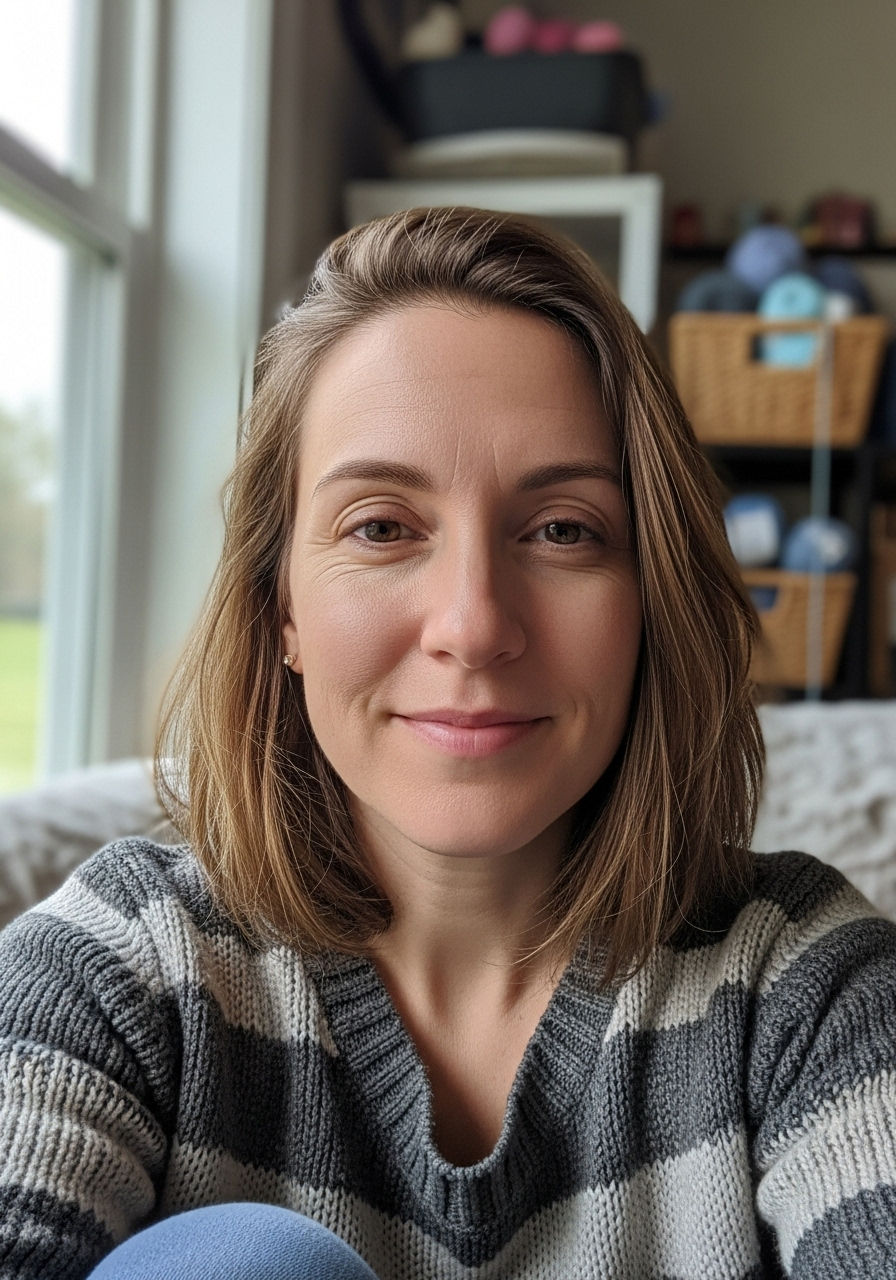
Hi, I’m Emily, the creator of The Yarn Haven.
I picked up my first crochet hook as a kid, sitting on the floor next to my grandmother while she worked on blankets for everyone in the family. What started as a simple hobby slowly became my favorite way to unwind and create something meaningful with my hands.
I believe crochet should feel relaxing, not stressful. Most of the ideas I share are simple, cozy, and practical. Things you can actually finish and enjoy, even if you only have a little time in the evenings.
The Yarn Haven is where I share crochet inspiration, yarn ideas, and projects that fit into real life. Nothing fancy. Just warm, handmade creativity that feels good from start to finish.