I’ve made quite a few crochet bags and the stretching was always an issue after a while of use.
I started adding linings to help with that but had to learn how to do it right so the fabric doesn’t catch on the stitches.
Some methods worked better than others and I’ve noted down the ones that prevent both stretching and snags effectively.
These are the approaches I use now when I want a bag to last longer without losing its shape.
Sharing them here in case they help with your crochet projects too.
Lined Pear Pouch for Small Items
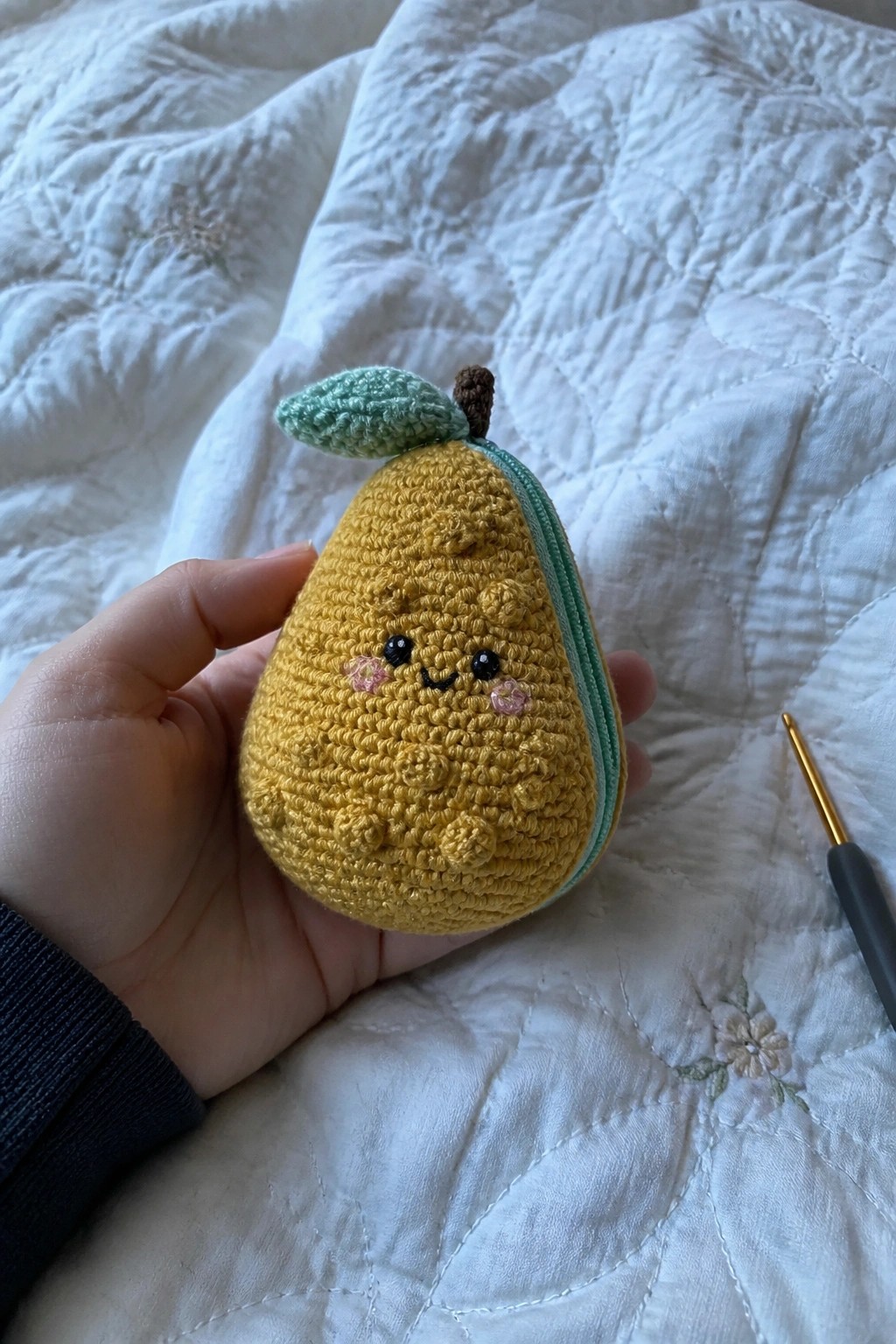
A pear-shaped crochet pouch makes a compact holder for coins, earbuds, or small notions. The rounded body tapers at the top to create a stable form that stands on its own. A fabric lining inside protects the crochet from snags on the zipper and stops the shape from stretching with regular use. The leaf and stem details at the top give a clean finish where the zipper meets the body.
What makes this idea useful is how the built-in shape already organizes contents without extra pockets. Scale the pattern larger for a phone case or smaller for a key fob. Change the main color or leaf shade to match different bags or seasons. This kind of project works especially well as a quick gift because the lining step keeps the finished piece looking neat over time.
Crochet a Dense Panel Onto a Canvas Tote

A rectangular panel worked in a tight, textured stitch can be sewn directly onto the front of a plain canvas tote to add strength across the widest section. The panel sits flat against the fabric and is finished with a simple border that helps attach it securely without bulk. This method turns an ordinary bag into one with extra support where items press most against the sides.
What makes this idea useful is the way the solid crochet layer spreads out pressure from books or groceries so the canvas holds its shape longer. You can resize the panel to match smaller or larger totes and pick any color that blends with your existing yarn. The same approach works for reinforcing the bottom interior if you prefer the crochet hidden.
Fabric Lining Inside a Fan-Stitch Bag

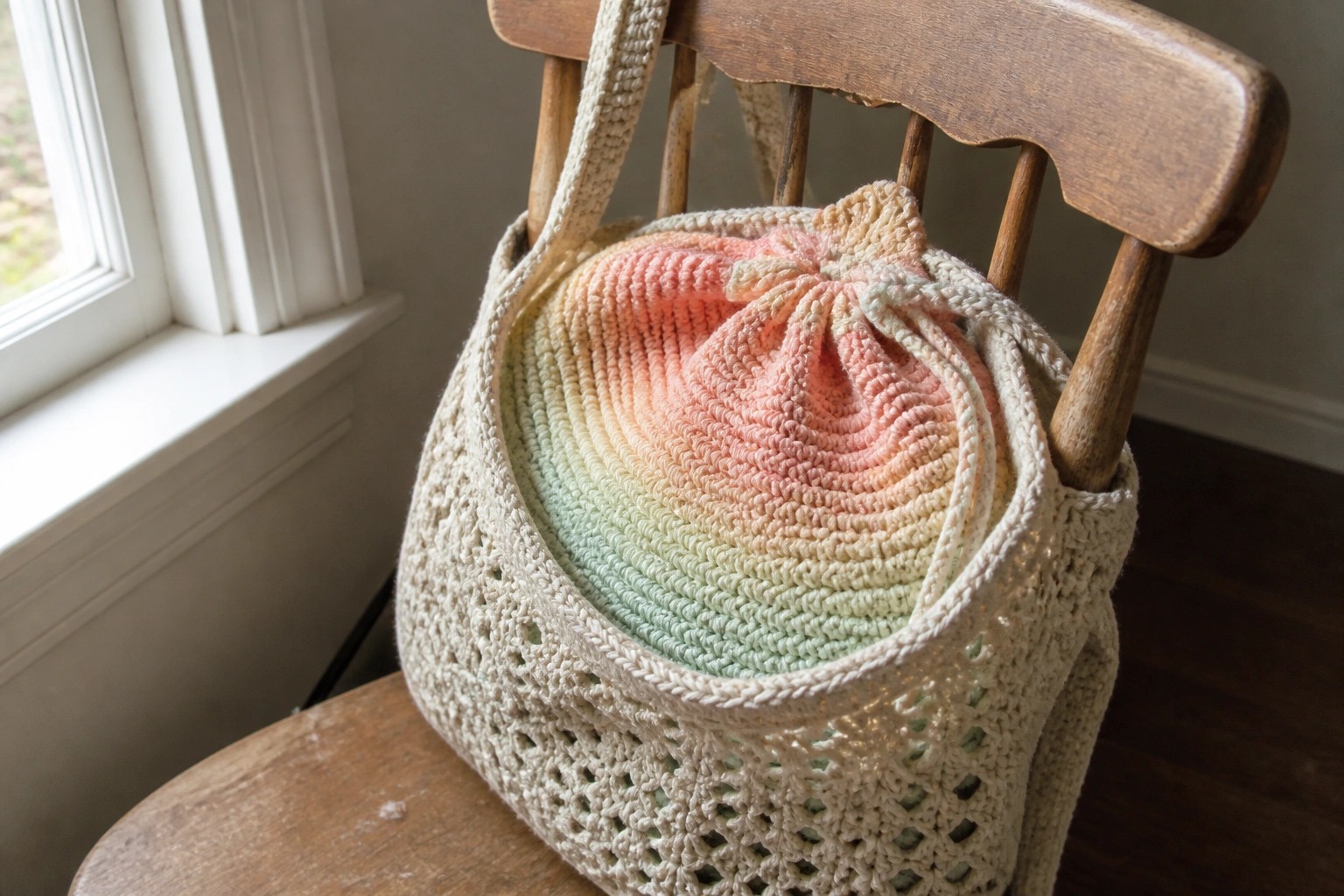
A crocheted shoulder bag worked in a fan stitch pattern gains stability from a fitted fabric lining sewn along the upper edge. The lining keeps the bag from stretching out of shape under weight and creates a smooth interior that protects contents from catching on the crochet. The matching half-moon pouch uses the same stitch and color sequence, making it easy to carry as a separate organizer or small clutch.
What makes this idea useful is the way the lining turns a soft crochet bag into something practical for daily use. You can adapt the same lining method to other bag shapes by tracing the finished crochet piece as a template for the fabric. The two-tone fan pattern works well in different sizes, so the small pouch can be scaled up for a tablet sleeve or kept compact for makeup or earbuds. For gifts, making the pouch in the same yarn as the main bag gives a pulled-together look without extra effort.
Cloud Shapes as Removable Bag Pockets

Crochet cloud shapes create soft, rounded pockets that fit inside larger bags without adding bulk. The dense texture of the stitches forms a smooth interior surface that protects small items from catching on zippers or seams. Their compact size works for holding accessories like earbuds or keys while keeping the overall bag organized.
What makes this idea useful is how easily the clouds scale to different bag sizes and compartments. You can make several in matching or contrasting colors to separate daily essentials from delicate pieces. For gifts, a design like this turns a basic lining into something practical that also doubles as a small carry pouch on its own. The simple outline stays easy to adapt with different pastel shades or added fabric backing for extra durability.
Crochet a Spiral Circle Insert to Stabilize Bag Bases

A flat circle worked in continuous spiral rounds creates a dense, rigid disk that fits inside a bag as a removable base. The tight construction prevents the fabric from stretching outward at the bottom when the bag is loaded. This shape works well for round or oval totes and market bags where a fabric liner alone tends to collapse or bunch.
The small scale makes this easy to adapt by stopping the rounds once the diameter matches your bag measurements. You can use the same pattern to test different yarn thicknesses until the insert feels firm enough to support daily items without adding noticeable weight. For gifts, a design like this pairs well with a simple fabric bag so the recipient gets both the lining and the finished project in one.
Striped Panel Lining for Basic Totes

A rectangular panel worked in simple rows with repeating horizontal stripes forms a flat lining insert that fits inside fabric bags. The even color changes keep the piece stable while the smooth surface reduces friction against items carried inside. This approach suits medium totes or pouches where a lightweight yet structured layer helps maintain shape.
What makes this idea useful is how quickly the panel can be resized by adding or subtracting rows to match different bag dimensions. You can change the stripe order or width to coordinate with outer fabric without extra pattern changes. A project like this works especially well as a removable lining that protects against stretching and makes cleaning easier.
Heart-Shaped Zipper Pouch as a Bag Insert

A heart-shaped crocheted pouch with a zipper closure serves as a compact inner organizer that fits inside larger bags. The design combines a smooth outer section in deep pink with a raised bumpy texture in lighter pink along the lower half. This shape and size make it practical for holding keys or small items while keeping them separate from the rest of the bag contents.
What makes this idea useful is how the zipper prevents anything from slipping out during daily use. You can scale the heart larger or smaller and change the color pairing to match different bag styles or create several versions for separate functions. For gifts, a design like this works especially well because it doubles as both storage and protection against snags on the main bag lining.
Striped Crochet Panel as Removable Tote Lining
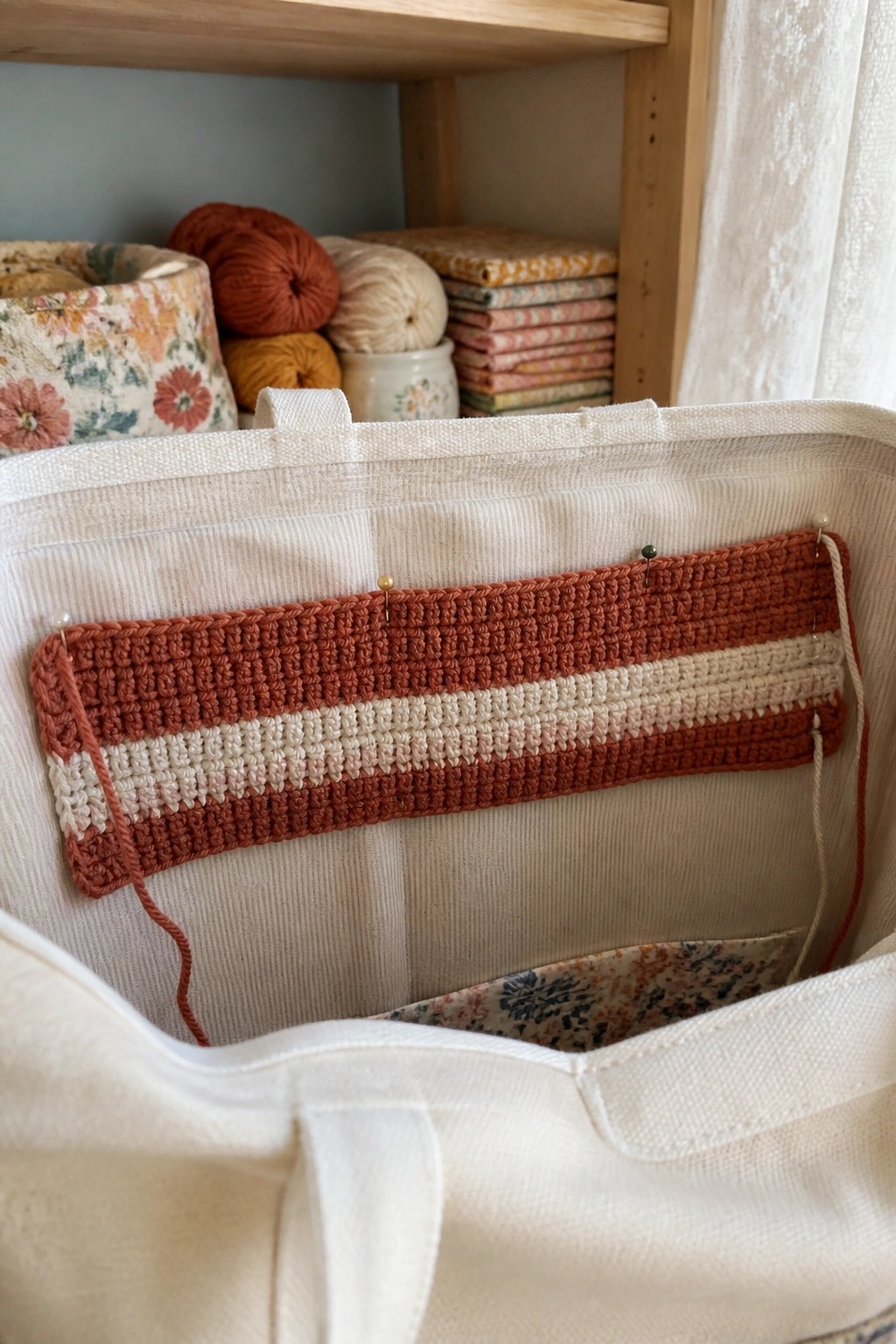
A long rectangular crochet panel made with alternating horizontal stripes can serve as an internal lining for a canvas tote. The piece is worked in a solid stitch pattern and sized to fit the width and height of the bag sides. It is pinned in place along the top edge so it sits flush against the interior fabric. This creates a protective layer that keeps items from catching on the bag’s weave or stretching the sides out of shape.
What makes this idea useful is the option to make the panel removable for washing or to swap it between bags. You can adjust the width and length by changing the starting chain and row count to match different tote dimensions. The two-color stripe pattern also lets you coordinate with the bag’s exterior or lining fabric without needing complex colorwork. For storage or everyday bags that see heavy use, a simple insert like this keeps the main fabric cleaner and more stable over time.
Mushroom Zipper Pouch for Small Items

A crocheted mushroom pouch combines a rounded beige base with a textured red cap dotted in white, and a zipper sewn directly along the lower edge of the cap. This creates a compact, functional pouch that works as a coin purse or small accessory bag. The simple color blocking and added spots turn a basic rounded shape into a clear mushroom motif without extra pieces. The project stays in the pouch category, where the crochet forms the outer shell around the zipper closure.
What makes this idea useful is the built-in zipper that keeps contents secure and stops the crochet from stretching out over time. The small scale makes this easy to adapt by swapping colors for different themes or resizing the base for slightly larger items. A project like this works especially well as a quick gift because the finished piece needs no extra hardware beyond the zipper. The structure makes this a smart option for everyday carry since the dense stitches hold their shape well with daily use.
Mini Flap Pouch in Pastel Stripes

A compact rectangular pouch crocheted in rows of single crochet forms a flat base with a fold-over flap that covers the top opening. Soft pastel stripes run horizontally across the body and flap in repeating cream, pink, yellow, mint, and lavender bands. The simple shape and even stitch texture give the pouch enough structure to hold small items like cards or coins once a lining is added inside the edges.
What makes this idea useful is the flap that stays in place without extra hardware, so the lining only needs to cover the main body and reinforce the opening. The small scale makes this easy to adapt by changing stripe widths or switching to solid colors for a different look. A project like this works especially well as a quick accessory that fits inside larger bags or stands alone when lined with lightweight cotton fabric.
Lined Cloud Pouch for Small Accessories

A cloud shaped pouch crocheted in a soft textured yarn makes a compact accessory or coin purse. The rounded outline and added strap turn the basic pouch shape into something that can be carried or clipped onto a larger bag. Stitching a fabric lining inside before closing the final seams keeps the interior smooth so keys or earbuds do not snag on the stitches.
What makes this idea useful is the small scale that lets you line it with a single piece of lightweight cotton cut to the finished shape. The same pattern can be worked in a tighter stitch or slightly larger hook to fit phones or cards without changing the overall look. For everyday use the lining also stops the fluffy yarn from stretching out of shape after repeated opening.
Joined Granny Square Panels for Bag Linings

A set of granny squares worked in repeating rounds and joined along their edges creates a flat fabric panel with built-in structure. The squares use a simple mix of solid centers and open rounds, allowing the piece to hold its shape while still flexing enough to fit inside curved bag sides. This method produces a lining exactly sized to the bag by adding or removing squares rather than resizing an entire pattern. The resulting grid keeps contents visible and prevents small items from catching on loose threads.
What makes this idea useful is the option to work each square separately before seaming, so color placement can be planned to avoid clashing with the bag exterior. A project like this works especially well as a removable lining because the joined squares stay stable under weight and resist stretching at the seams. You can scale the grid to fit anything from a small pouch to a large tote by changing the number of squares per row. The even texture also gives a clean surface for pockets or zippers to be added later.
Pocketed Crochet Insert for Bag Organization

A crocheted panel with vertical pockets creates separate compartments that fit against the inner wall of a tote or purse. The open stitch pattern forms flexible slots sized for pens, small tools, or cosmetics while the overall rectangle shape matches common bag dimensions. A single snap or tie at the top edge keeps the panel in place without sewing it permanently into the bag lining.
What makes this idea useful is how it adds structure to soft bags so items stay sorted and do not snag on loose fabric. You can change the width to fit different bag sizes or vary the number of pockets based on what you carry daily. The design also works as a removable organizer that can be swapped between multiple bags.
Crochet a Zippered Lemon Pouch for Everyday Carry

A round crocheted pouch worked in a tight spiral forms the shape of a lemon and includes a small zipper for secure closure. Green and brown details at one side create the leaf and stem while keeping the overall size compact enough to fit in a larger bag or pocket. This type of project fits the pouch category and works as a small accessory that maintains its structure without extra support.
What makes this idea useful is the firm spiral base that resists stretching when items are added. You can adapt the size by changing hook and yarn weight or switch colors to make a set of different fruits for gifts. A project like this works especially well as a lined coin purse or earbud holder because the zipper opening pairs easily with a simple fabric lining to protect contents from catching on the crochet.
Envelope Pouch with Scalloped Border
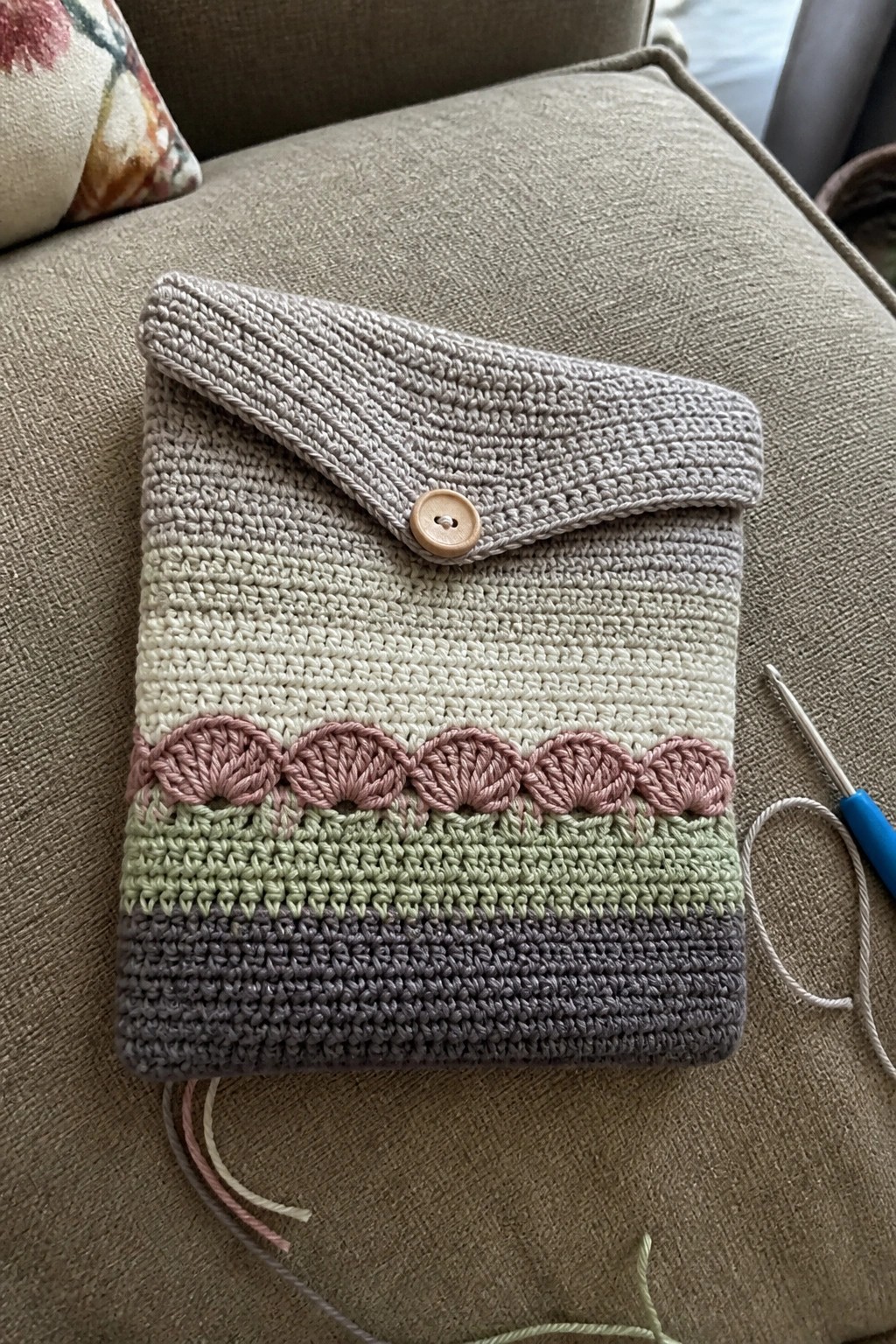
An envelope pouch uses a pointed flap that folds down and fastens with one button. The body is worked in horizontal color blocks, with a single row of shell stitches placed between the lower sections to mark the transition. This shape works well for flat items like tablets or notebooks because the flap keeps contents from shifting. The shell row adds a finished edge without adding much thickness or bulk.
The small scale makes this easy to adapt by adjusting the starting chain to match the item you want to carry. You can swap the shell border for a simpler stitch if you prefer less texture, or repeat the color blocks to use up leftover yarn. What makes this idea useful is the flap and button closure, which protects the opening while staying flat. For gifts, a design like this works especially well because it needs only basic finishing to look complete.
Sun Pouch Design for Small Bag Linings

A circular crocheted pouch built from continuous rounds creates a compact shape that holds its structure when used inside a larger bag. Pointed rays worked around the outer edge add definition while keeping the overall size small enough to slip into totes or purses as an inner organizer. A zipper along the top edge and simple embroidered face details keep contents secure and easy to spot.
The small scale makes this easy to adapt by shortening the rays or enlarging the base to fit different bag compartments. Change the yellow to match bag fabric or swap the face for plain rounds when a simpler liner is needed. For gifts, a design like this works especially well because the finished pouch separates easily from the main bag and prevents small items from snagging loose stitches.
Crochet a Flat Circular Base for Bag Bottoms

A crocheted circle worked in continuous rounds forms a firm, even base that can be inserted or sewn into the bottom of a bag. The spiral construction keeps the piece from curling while the dense texture adds support so the bag fabric does not stretch outward. This type of lining suits tote bags and market bags where the bottom takes the most weight and wear.
What makes this idea useful is how simple it is to resize the circle by stopping or continuing rounds until it matches the bag dimensions. The structure makes this a smart option for preventing the lining fabric from sagging or catching on items inside. For decor, this kind of shape also works as a removable insert that can be swapped between different bags.
Zippered Star Pouch from Granny Motifs

A star-shaped crochet pouch built from a central motif and surrounding granny sections creates a compact zippered bag that holds small items without sagging. The mint and coral color blocks define the points clearly while the border row gives the edge extra stability around the zipper. This approach fits the pouch category and works as a standalone accessory or insert for larger bags.
What makes this idea useful is the flat construction that accepts a simple fabric lining to stop the stitches from stretching under weight. You can scale the motif up or down by adding rounds to fit coins, earbuds, or cards, and swap colors to match different fabrics. For gifts, a design like this stands out on Pinterest because the zipper turns a basic motif into something immediately usable.
Mesh Crochet Panels as Flexible Bag Linings

An open mesh crochet rectangle built from a repeating diamond pattern gives bags an inner layer that stretches slightly without losing shape. This type of construction suits produce totes or everyday carry bags where you want the lining to move with the contents instead of fighting them. The loose structure keeps the lining from adding bulk while still protecting the outer fabric from sharp or rough items.
What makes this idea useful is how easily you can resize the panel by changing the starting chain or adding rows to match any bag base. Cotton yarn keeps the mesh breathable so damp items inside do not trap moisture against the bag. You can also work the same pattern in a tighter gauge for smaller pouches or leave it open for larger market bags that need more give.
Crochet a Carrot Pouch and Clip It to Your Tote

A zippered pouch crocheted into a tapered carrot shape gives you a compact spot to store keys, cash, or earbuds. The orange body with a row of green leaves at the top creates a simple silhouette that reads clearly from a distance. This project falls into the pouch or accessory category and attaches easily with a metal ring so it hangs outside the main bag area.
What makes this idea useful is the small scale that keeps it from adding bulk while still giving quick access to items you reach for often. You can swap the colors or adjust the length to turn it into a different vegetable or even a basic cylinder if you want something faster. For gifts, a design like this works well because it takes little yarn and finishes in one sitting. The structure also keeps small objects from getting lost at the bottom of a larger tote.
Pocket Panel Lining for Internal Organization

A rectangular crocheted organizer made of dense rows of pockets works well as the basis for a bag lining. The grid layout creates separate compartments that keep items from shifting, while the sturdy fabric helps hold the bag’s shape and reduces stretching along the sides. Variegated yarn in graduated earth tones adds subtle color variation across the pockets without extra patterning.
What makes this idea useful is that the same pocket structure can be sewn or crocheted directly into a tote or purse to add both storage and support. Scale the panel to fit your bag dimensions and change the number of columns based on what you carry most often. A project like this stands out on Pinterest when shown inside a finished bag with the pockets in use.
Bobble Texture Zipper Pouch
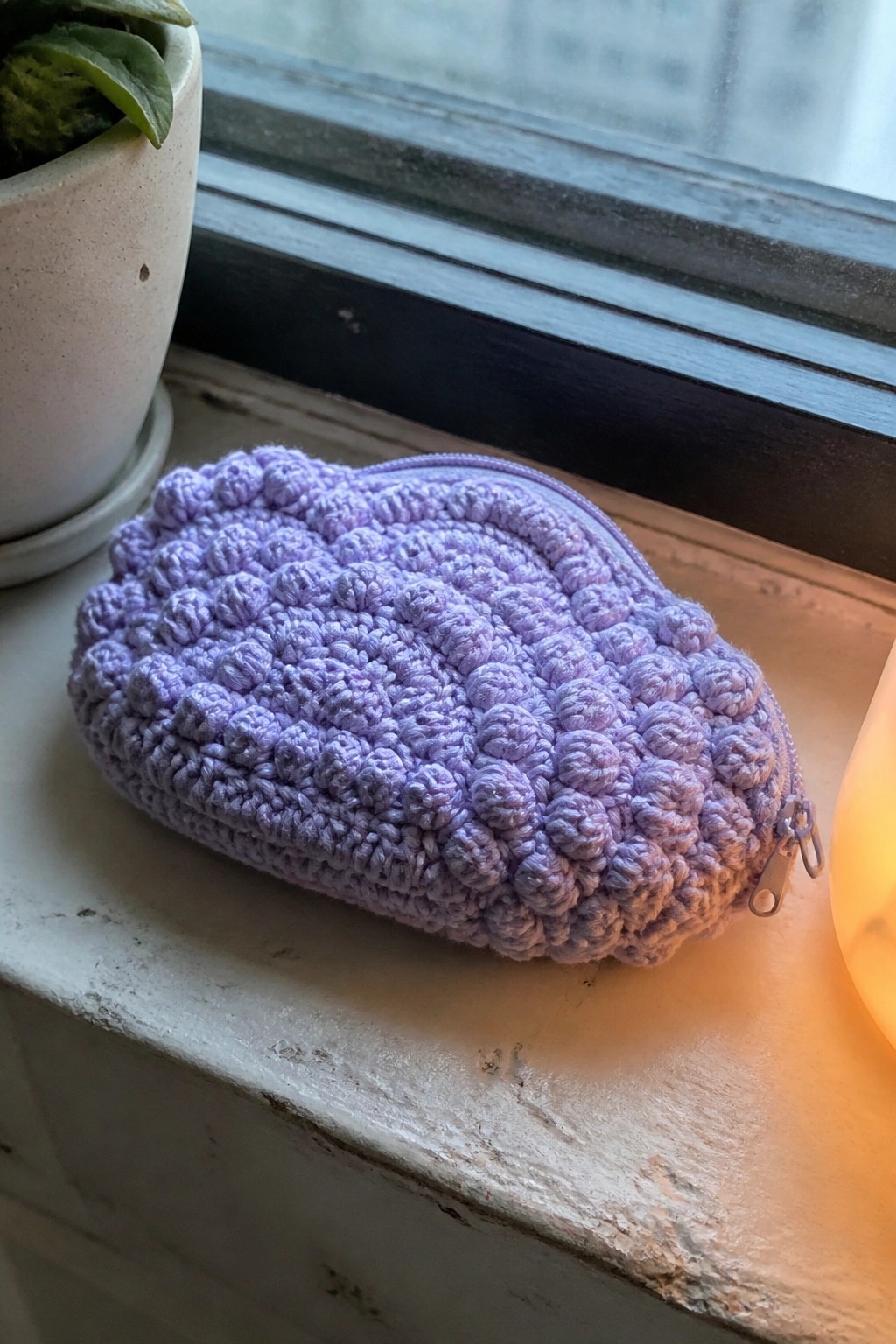
A bobble stitch zippered pouch works as a compact accessory with raised texture that gives the surface extra grip and body. The oval shape combined with dense stitching creates a structured form that holds small items in place. This approach fits the pouch category and pairs directly with a fabric lining to support the zipper and reduce wear on the crochet.
What makes this idea useful is how the texture hides minor stretching while the zipper closure keeps contents from snagging the stitches. Scale the same pattern down for a coin purse or widen it slightly for a travel-size bag. For gifts, a design like this adapts easily by swapping the color or adding a short strap.
Frequently Asked Questions
Q: What type of fabric should I select for lining a crochet bag to minimize stretching? A: Choose a sturdy woven fabric such as cotton canvas or linen that has some structure. These materials hold their shape well and distribute weight evenly across the bag. Avoid stretchy knits because they can pull on the crochet stitches and cause distortion over time. Prewash the fabric to prevent shrinkage after installation.
Q: How do I attach the lining securely without creating opportunities for yarn snags? A: Sew the lining to the inside of the bag using a whipstitch or backstitch along the top edge only. Keep stitches small and even so they do not catch on the crochet. Place a thin layer of fusible interfacing between the lining and the bag for extra stability. This method keeps the lining in place while protecting delicate yarn from friction.
Q: Which techniques help prevent the bag from stretching when it is filled with items? A: Add interfacing or a layer of quilt batting to the lining fabric before sewing it in. These additions create a supportive barrier that absorbs pressure from contents. Install the lining slightly smaller than the bag interior so it gently supports the crochet walls. Test the fit by filling the bag with typical items before final attachment.
Q: What steps reduce the risk of snags when the lining rubs against the crochet stitches? A: Finish all raw edges of the lining with a zigzag stitch or bias tape to eliminate loose threads. Choose a smooth lining fabric like silk or polished cotton that glides easily. Position the lining so its seams face inward and away from the crochet surface. Regularly inspect the interior and trim any emerging loose ends promptly.
Q: How should I adapt lining ideas for bags with unusual shapes such as circles or triangles? A: Create a paper template that matches the exact interior dimensions of the bag before cutting fabric. Add small darts or pleats in the lining to accommodate curves without bunching. For angular shapes insert the lining in sections and join them with reinforced seams. This approach maintains even tension and prevents localized stretching on the crochet.
Hi, I’m Emily, the creator of The Yarn Haven.
I picked up my first crochet hook as a kid, sitting on the floor next to my grandmother while she worked on blankets for everyone in the family. What started as a simple hobby slowly became my favorite way to unwind and create something meaningful with my hands.
I believe crochet should feel relaxing, not stressful. Most of the ideas I share are simple, cozy, and practical. Things you can actually finish and enjoy, even if you only have a little time in the evenings.
The Yarn Haven is where I share crochet inspiration, yarn ideas, and projects that fit into real life. Nothing fancy. Just warm, handmade creativity that feels good from start to finish.