I’ve been crocheting for years and sweaters were one of those projects I kept putting off because they felt like too much work.
Over time I found that some patterns really are simple enough to finish without getting overwhelmed.
I put together this list of 19 beginner options that stick to basic stitches and straightforward shapes.
Most of them can be made with just a few balls of yarn and some patience on the weekends.
They might be a good place to start if you want to make something you can actually wear.
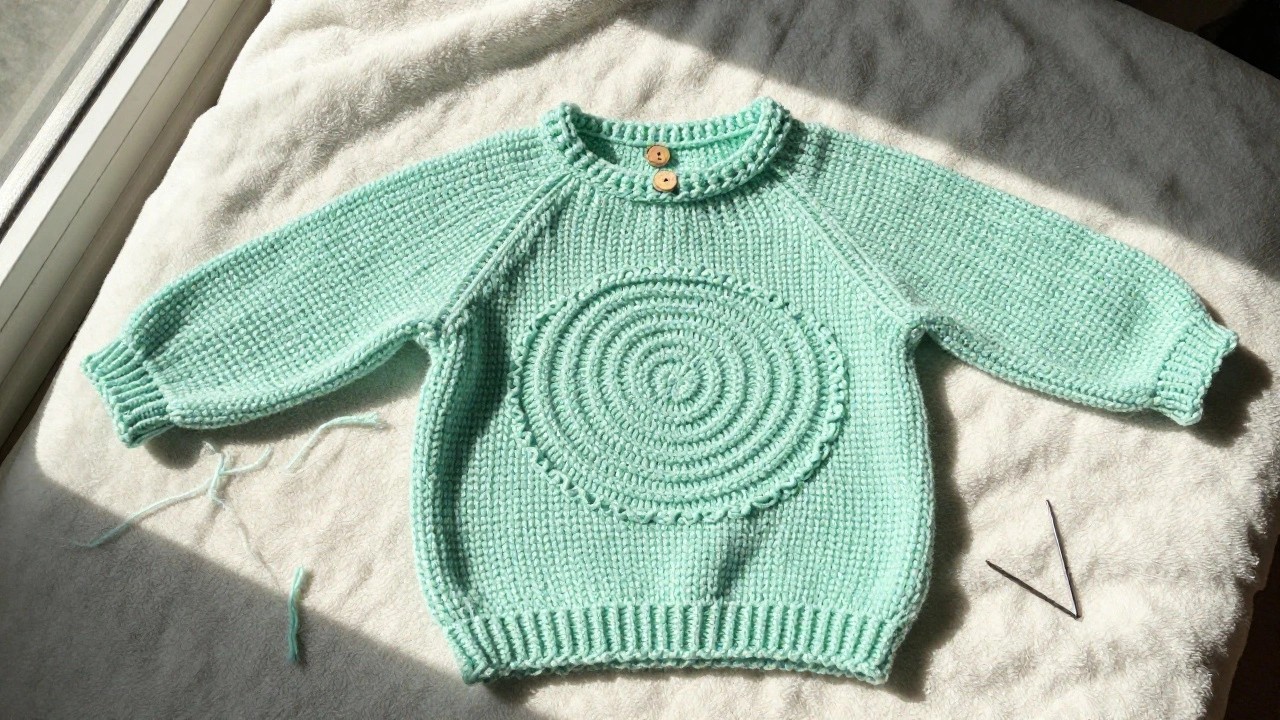
Spiral Front Toddler Sweater
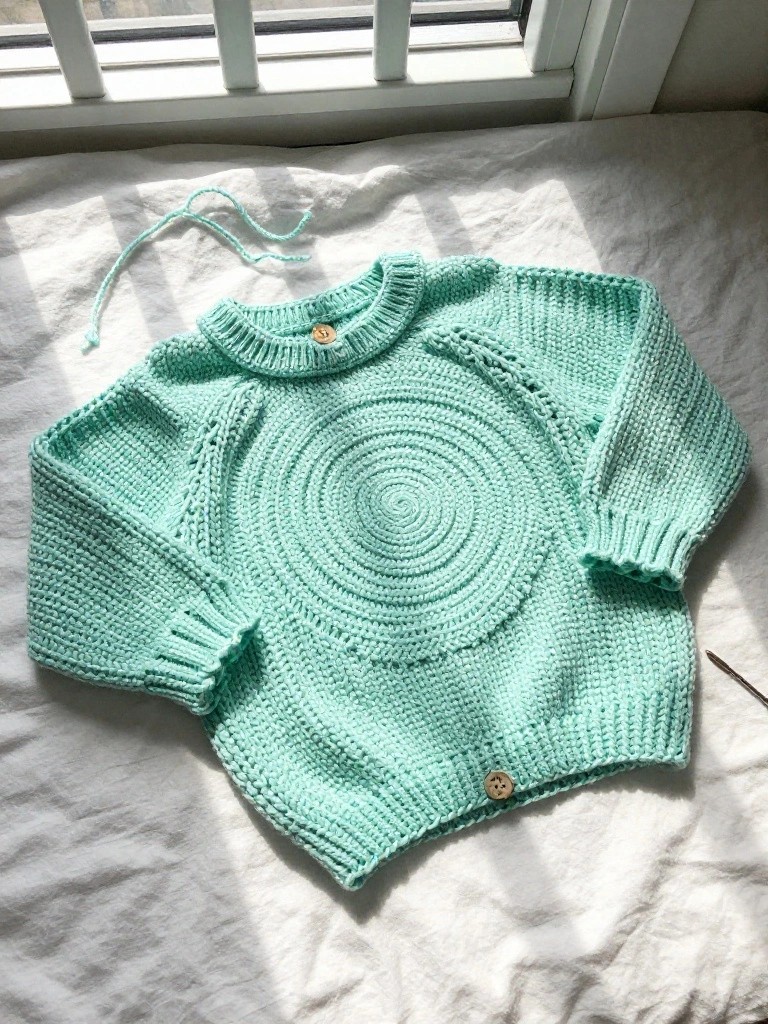
A toddler sweater built around a large spiral motif on the front gives beginners a clear focal point to work toward. The circle starts small in the center and expands outward in steady rounds before the rest of the body and sleeves are added in simple rows. Solid color yarn keeps the spiral clean and easy to see, while ribbed bands at the neck, cuffs, and hem add structure without extra steps. This style falls squarely into the wearable category and works well for a quick seasonal piece.
What makes this idea useful is how the spiral can be sized up or down just by adding or stopping rounds before attaching the sleeves. The compact shape makes it a fast gift for babies or young kids, and changing the yarn color lets you match it to existing clothes or seasons. You can also extend the body length or widen the neck opening with basic adjustments if you want to fit a slightly older child.
Bear-Eared Hooded Sweater
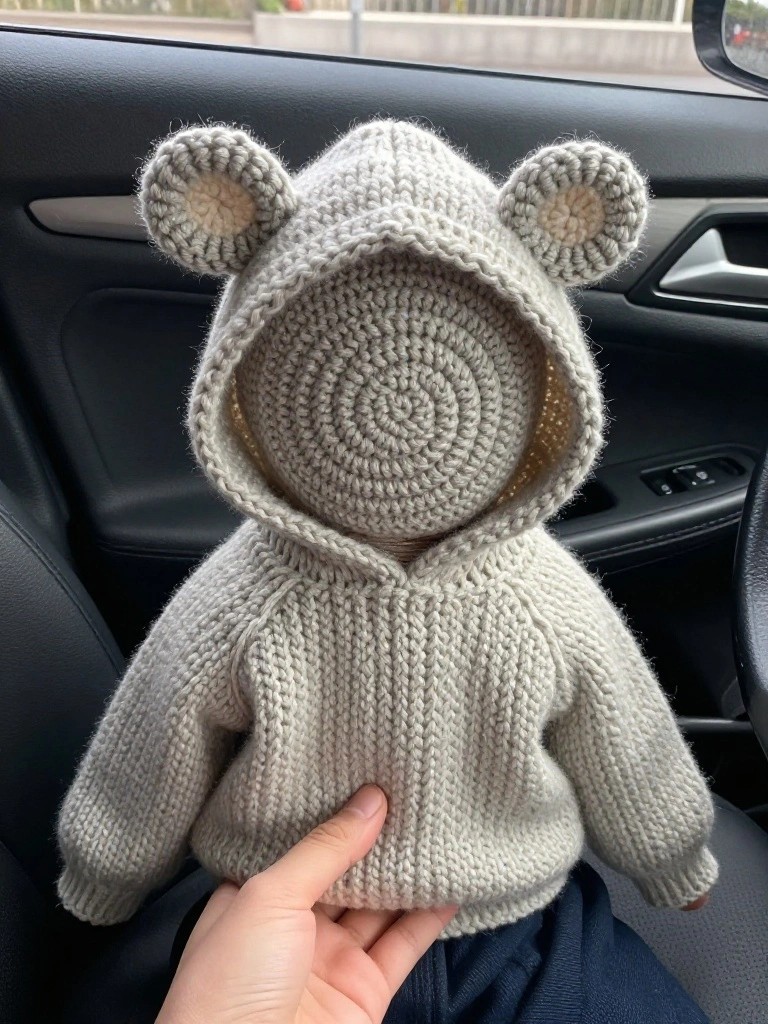
A hooded sweater with rounded ears attached to the top of the hood creates a simple animal-themed wearable. The body uses a basic ribbed stitch pattern that gives the piece structure and stretch, while the hood starts from a center spiral that shapes it naturally around the head. This design works well as a small-scale garment for babies or toddlers since the ears add a clear visual detail without requiring complex shaping.
What makes this idea useful is the compact size that lets you finish the whole sweater in a few short sessions. You can swap the ear shape or color to match different animals and adjust the body length for a custom fit on different children. A project like this stands out for quick gifts because the hood and ears use the same yarn throughout and need only basic increases and decreases.
Lace Openwork Short Sleeve Top
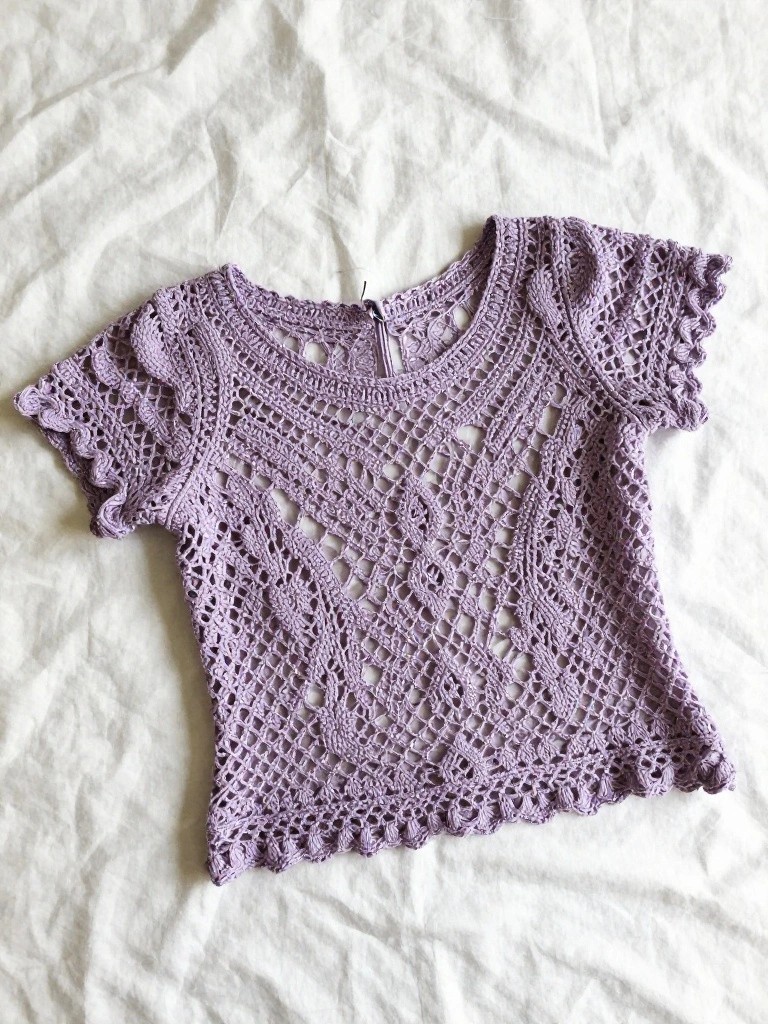
A short sleeve top built from open lace stitches forms a lightweight, breathable layer that suits everyday wear or warm weather layering. The rounded neckline closes with a small zipper at the back while scalloped borders finish the sleeves and hem. Repeating openwork sections create visual texture through contrast between solid and airy areas without adding bulk.
What makes this idea useful is how the basic shape can be lengthened into a tunic or shortened into a crop by changing the number of repeats. You can swap the yarn color to tone it down for daily use or brighten it for a statement piece. This kind of top stands out on Pinterest because the lace pattern photographs well and works across multiple sizes with simple adjustments to the starting chain.
Mini Pastel Sweater for Dolls or Ornaments

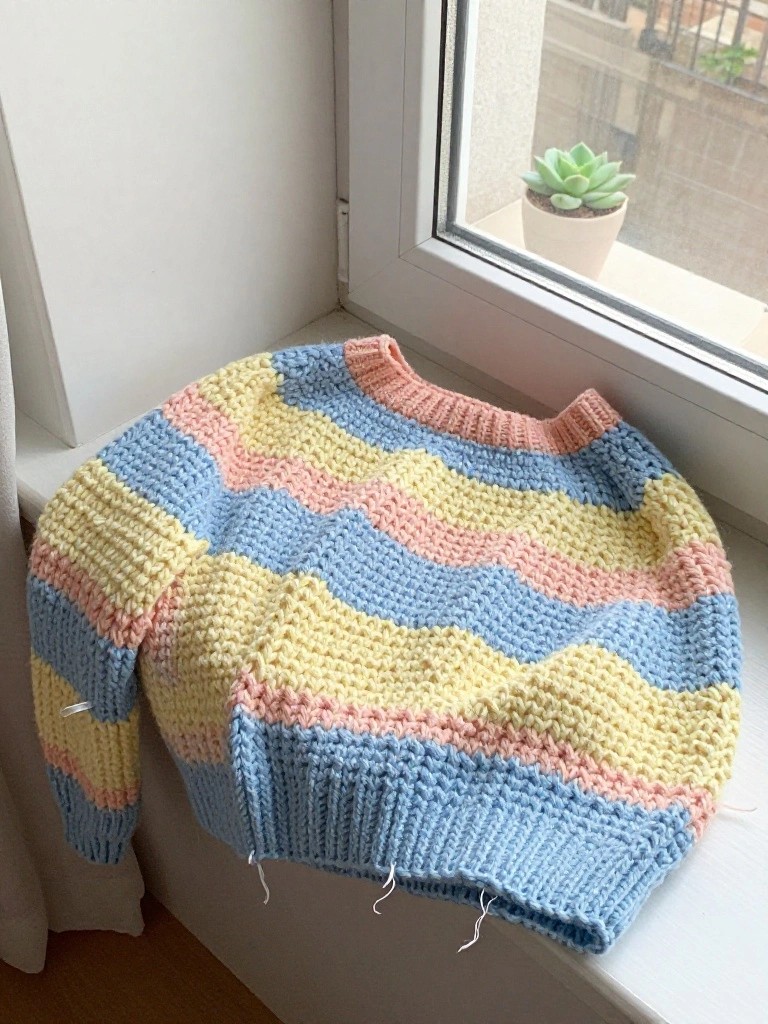
A small sweater made with basic rows and simple color changes creates a wearable layer for dolls, amigurumi, or small stuffed animals. Horizontal stripes in soft pastels keep the design easy to follow while adding clear visual contrast across the body and sleeves. Ribbed bands at the hem, cuffs, and neck give the piece structure and help it sit neatly on a tiny form.
What makes this idea useful is how fast it works up as a first wearable project. You can change the stripe width or swap in leftover yarn to match a specific toy without rewriting the pattern. For gifts, a design like this finishes quickly and can double as a gift topper or tree ornament by adding a hanging loop at the back neck. The small size also makes it a low-commitment way to test fit and shaping before moving to larger sweaters.
Textured Crewneck Pullover
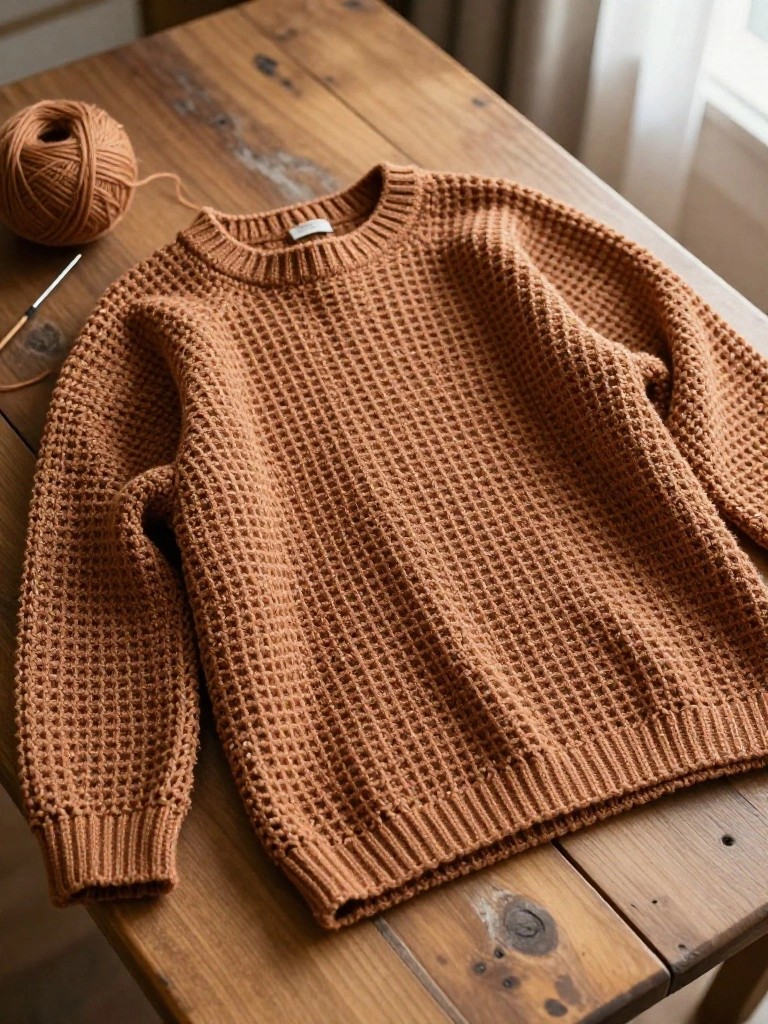
A crewneck sweater in a textured stitch creates an all-over grid effect that gives the fabric depth and structure. This type of project suits everyday wear because the simple shape layers easily over shirts or under jackets. The ribbed hem, cuffs, and neckline help the sweater hold its form while the uniform texture keeps the focus on the stitch pattern itself.
What makes this idea useful is the straightforward silhouette that can be lengthened or widened with basic adjustments to row counts. The neutral tone works across seasons, and you can swap it for a brighter color or add subtle stripes without changing the stitch. A design like this photographs cleanly for pattern sharing and adapts well to different yarn weights for lighter or warmer versions.
Striped Sweater with Simple Color Changes
A striped crochet sweater uses repeated horizontal bands of color across the body and sleeves to create visual interest without complicated patterning. The relaxed shape with a crew neck and dropped shoulders makes it a practical everyday wearable that can be adjusted for different sizes. Color changes happen at the ends of rows or rounds, keeping the focus on basic increases and decreases to form the fit. This type of project falls into the wearable category and suits anyone looking for a garment that uses up multiple skeins in a cohesive way.
What makes this idea useful is how the stripe width can be varied to use up leftover yarn or create a different proportion. A project like this works especially well as a first sweater because the body can stay rectangular until the neck shaping begins. You could shorten the sleeves or body for a cropped version or extend them for more coverage depending on the season. The structure makes this a smart option for Pinterest because the clean stripes photograph well and show off color combinations clearly.
Heart Appliqué Baby Sweater

A basic baby sweater in cream yarn uses a separate pink heart motif sewn onto the front as the main detail. Ribbed bands at the neck, cuffs, and hem give the piece a clean finished look while keeping the body simple to work in one piece or in panels. The heart sits centered on the chest at a scale that fills the space without overwhelming the small garment, so the design stays easy to read from a distance. This approach falls into the wearable category where a plain sweater gets lifted by one focal appliqué.
What makes this idea useful is that the heart can be crocheted first as a flat motif, letting you practice shaping before starting the sweater itself. You can swap the heart for other simple shapes or change the sweater color to match different outfits. The small overall size keeps the project quick to finish, which helps when you want a handmade gift ready in a weekend. For adapting further, try the same heart on a matching hat or add it to the back of a cardigan for extra interest.
Oversized Textured Pullover
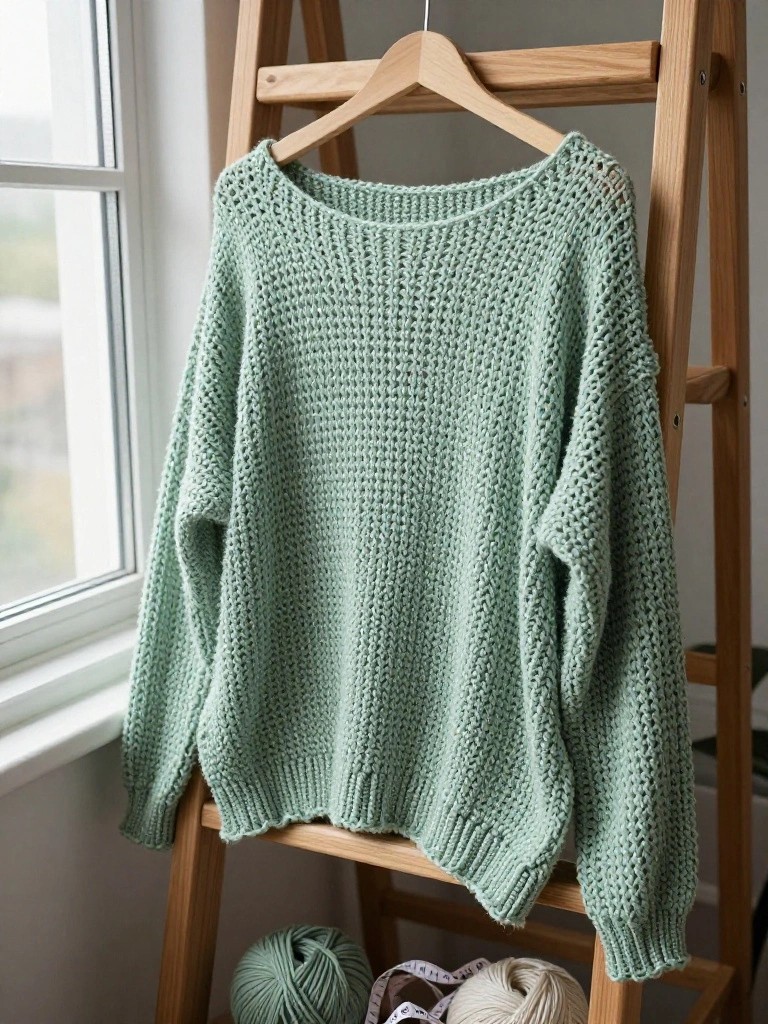
An oversized pullover with a wide neckline and long sleeves gives you a relaxed, easy-to-wear layer. The loose open texture created by the stitch pattern keeps the sweater light and drapey rather than stiff. This style works well as a simple wearable because the body and sleeves follow basic rectangular shaping with minimal seaming.
What makes this idea useful is how quickly the repetitive texture builds once you start the main body sections. You can easily change the fit by adjusting the number of rows or switching to a different hook size for a roomier or more fitted look. The wide neckline also makes it simple to wear over other tops without feeling tight around the shoulders.
Striped Kids Pullover Sweater
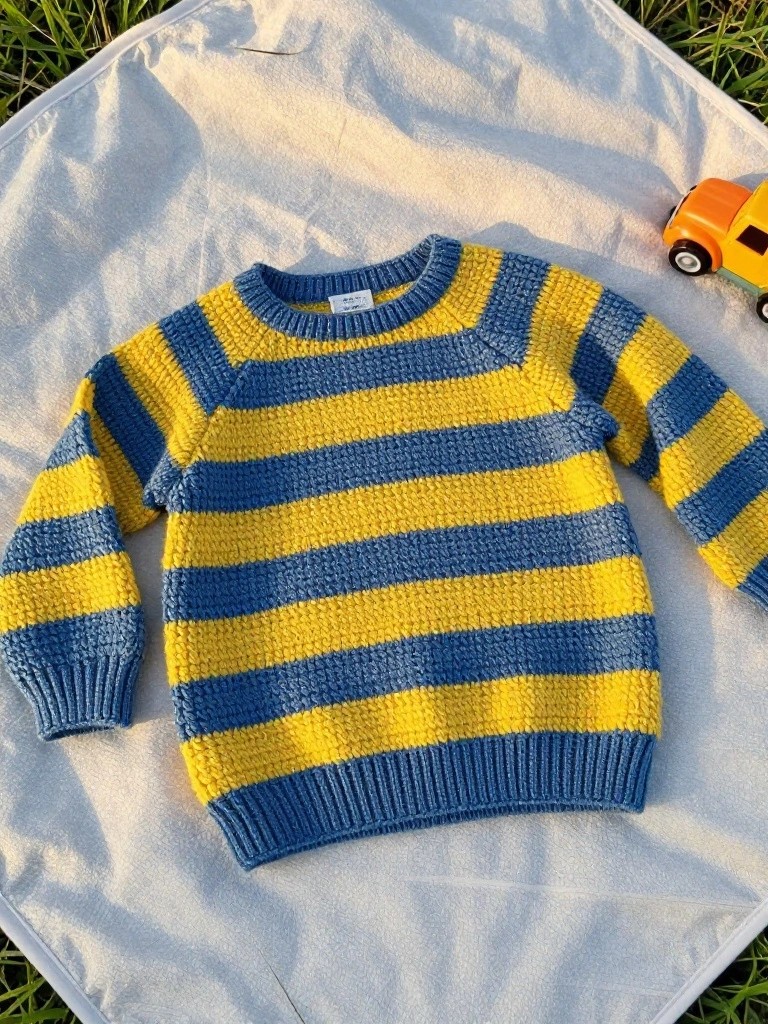
A striped pullover sweater uses simple rows of textured stitches with regular color changes to build the body and sleeves. The design works as a wearable for toddlers or young children because the loose fit and basic construction keep the shaping minimal. Horizontal stripes add visual interest while helping mark row counts and sections during assembly.
What makes this idea useful is how the stripe width and color order can shift to match different yarn scraps or kid preferences without changing the overall pattern. You can lengthen the body or sleeves by adding rows before the ribbed edges. For gifts a project like this finishes quickly in a few evenings and gives a complete clothing item that feels more substantial than smaller accessories.
Baby Cardigan with Scalloped Border

A basic baby cardigan works up in rows of simple stitches to create a smooth body, then finishes with a scalloped edge along the front opening, collar, and hem. This approach suits newborns and small infants because the compact size keeps the total time low while still producing a complete garment. The border adds shape and detail without requiring complex shaping or color changes, so the finished piece stays practical for everyday wear.
What makes this idea useful is how the scalloped pattern can be lengthened or shortened to fit different sweater sizes or even repeated on a matching bonnet. The pale tone keeps it neutral for gifting, though swapping to a brighter yarn changes the look with almost no extra work. A project like this stands out on Pinterest when shown flat with the buttons open so the edge detail is easy to see and copy.
Mushroom Appliqué Sweater

Crochet mushroom appliqués turn a plain sweater into a themed wearable by adding a large central mushroom and two smaller ones on the sides. The main piece uses a rounded cap shape with a stem sewn directly onto the front, while the smaller versions sit lower to balance the layout. White dots scattered across the red caps provide contrast and keep the design simple to read from a distance.
The small scale makes this easy to adapt for different sweater sizes by adjusting the mushroom dimensions before attaching them. You can swap the red for other colors or add more mushrooms along the sleeves if you want extra detail. For gifts, a design like this lets you update a store-bought or previously finished sweater without reworking the entire garment.
Oversized Open-Mesh Tunic
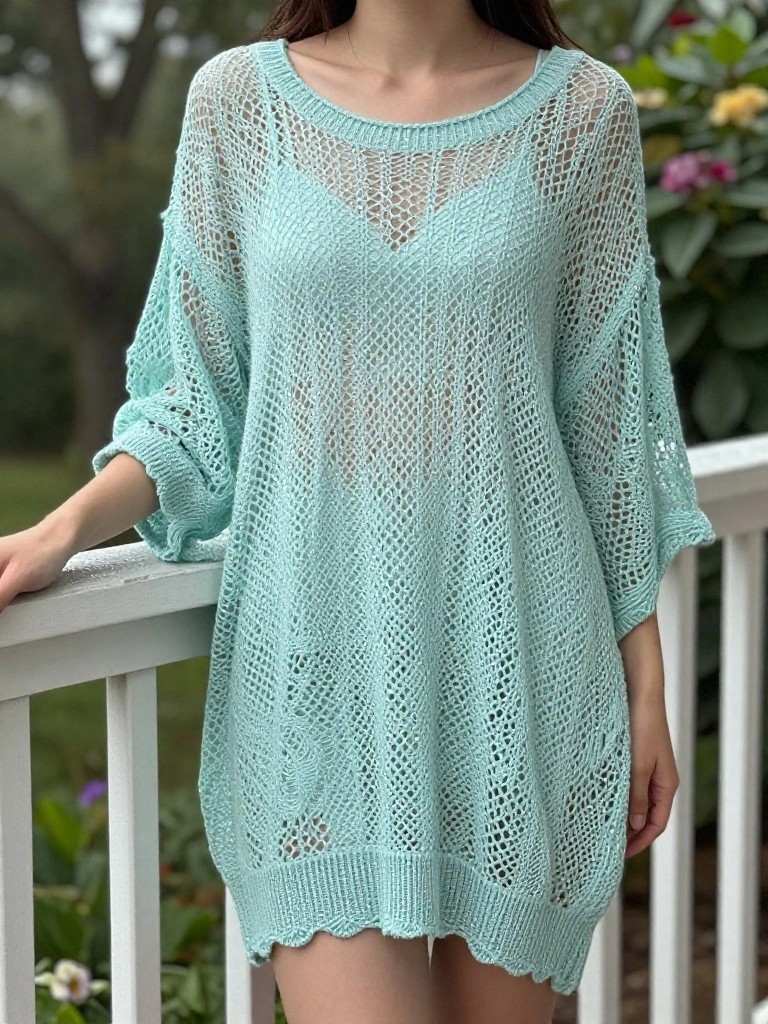
An oversized tunic built from open mesh stitches creates a lightweight layer that moves easily over tanks or swimsuits. The wide sleeves and long hem give the shape plenty of drape without needing complex shaping. This project fits the wearable category and works especially well in light colors that keep the open texture visible.
What makes this idea useful is how quickly the large mesh builds up once you settle on a repeat. You can shorten the body for a cropped fit or add a few extra rows at the hem if you want more coverage. For gifts the simple construction means you can swap in different yarn weights without rewriting the whole pattern.
Granny Square Sweater
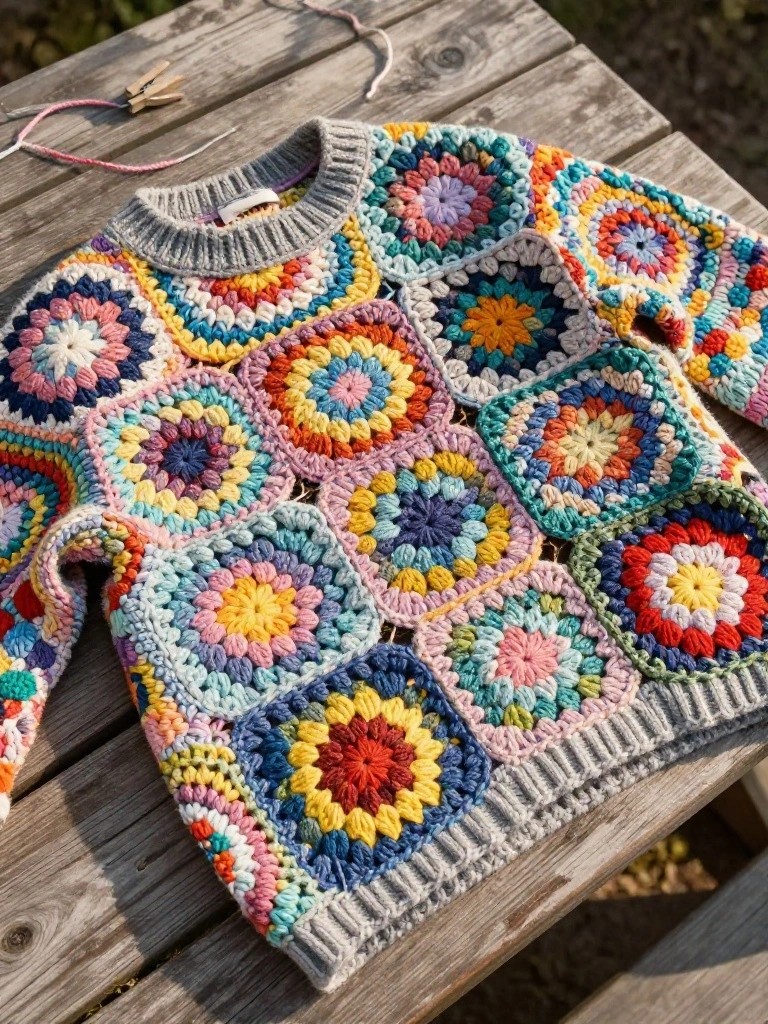
A granny square sweater is built by crocheting individual squares in bright color combinations and joining them to form the body and sleeves. The squares create a patchwork layout that covers the front, back, and arms, while solid gray ribbing finishes the neck, cuffs, and hem for a clean edge. This approach turns a simple motif into a full wearable that can be made in sections rather than as one large piece. The mix of vivid rings inside each square gives the sweater its bold, eye-catching look without needing complicated stitches.
What makes this idea useful is that the squares can be worked one at a time and assembled later, which helps keep the project manageable. You can easily change the size by adding or removing squares or swap in different colors to match a preferred palette. A project like this works especially well as a lightweight layer over a tank top or T-shirt. For gifts, the modular style lets you adjust the fit for different people without starting from scratch.
Rose-Embellished Chunky Sweater
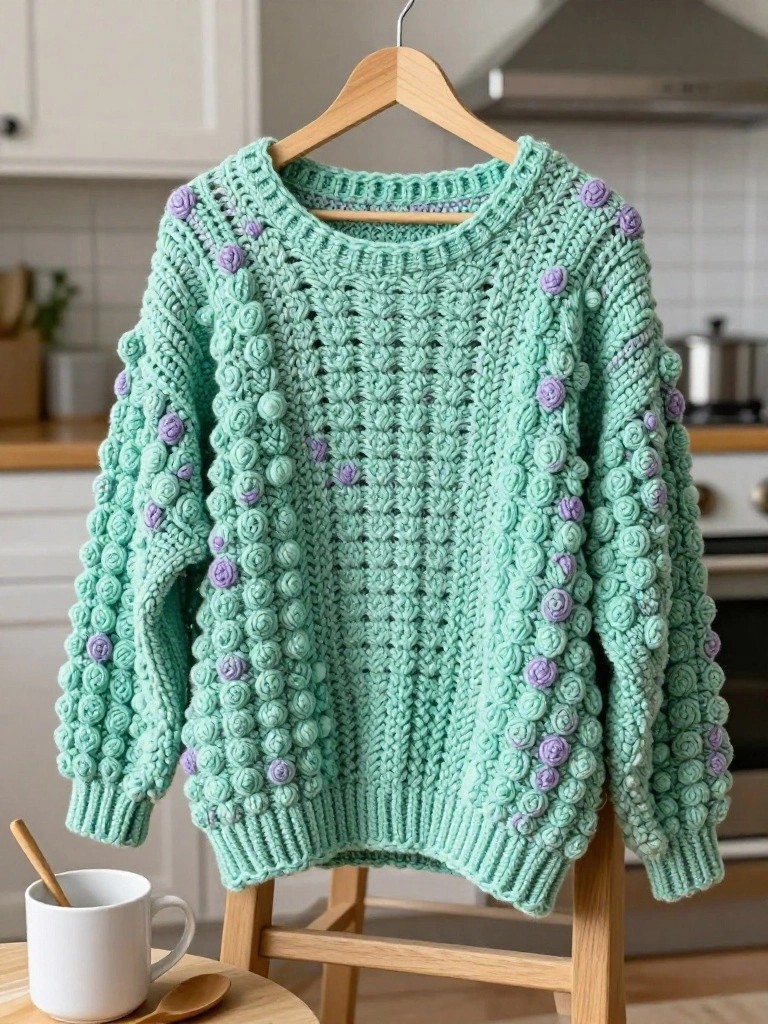
A chunky crochet sweater in mint green uses a mix of textured stitches across the body and sleeves for visual depth. Small purple roses are placed at irregular intervals to break up the solid color and add a light decorative element. The relaxed shape with slightly puffed sleeves gives it an easy everyday fit that works over tees or dresses. This project sits in the wearable category as a straightforward layering piece.
The simple base color lets the scattered roses stand out without needing complicated colorwork. You can move the roses closer together or spread them out depending on how bold you want the look. This style adapts well to different yarn weights if you want a lighter or heavier version for seasonal wear. Changing the rose color to match another palette keeps the same structure while shifting the overall feel.
Doll Sweater with Cat Pocket Detail

A compact turtleneck sweater with a single front pocket works as a fast wearable for dolls, stuffed animals, or even a newborn photo prop. The pocket sits centered on the chest and carries a simple cat face made from basic embroidery stitches in black and pink thread. Ribbed edges at the collar, cuffs, and hem keep the shape neat while the rest uses straightforward single crochet or half double crochet rows that build quickly.
What makes this idea useful is how the pocket becomes an easy spot to test different animal faces or seasonal shapes without changing the whole sweater. The small scale means you can finish it in a few hours and still have yarn left over for matching accessories like a hat or scarf. For gifts, a design like this slips neatly into a gift box or sits on top of wrapped presents, and the same pattern can be lengthened a few inches to fit an actual infant if you want a real baby version instead.
Oversized Pullover Sweater
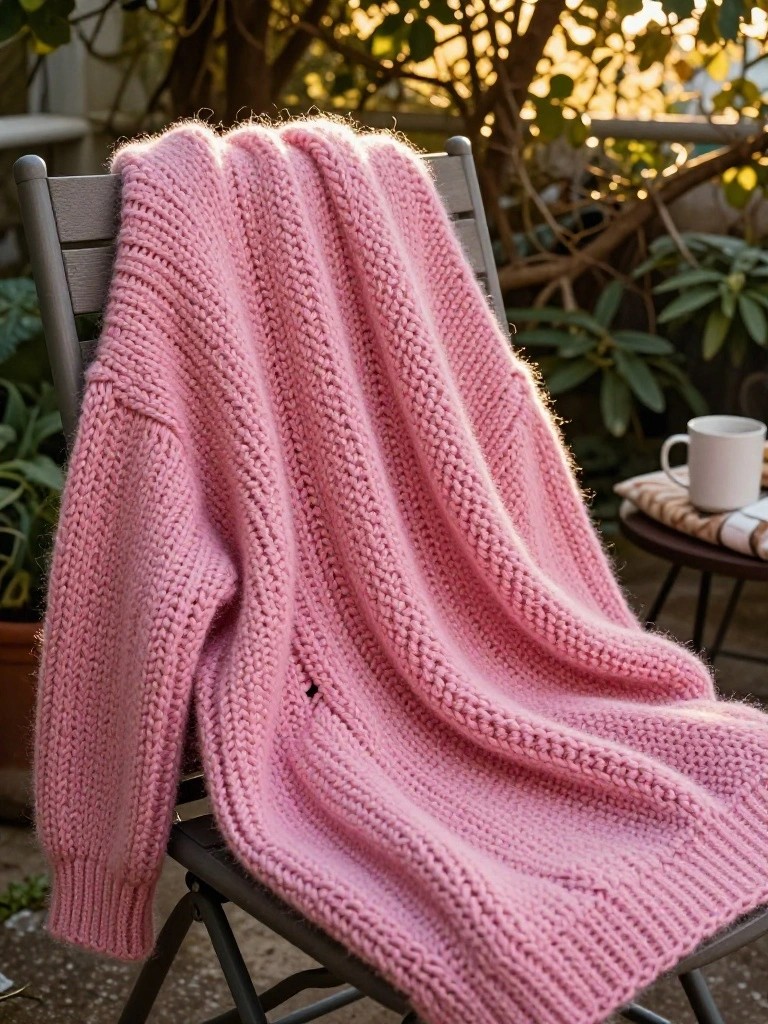
A loose-fitting crochet pullover gives you a simple wearable that layers easily over shirts and jeans. The design relies on large rectangular panels worked in a basic textured stitch to create soft drape and visible rows across the body and sleeves. Its long length and dropped shoulders keep the shape forgiving so beginners can focus on even tension rather than complicated decreases. This kind of project fits squarely in the beginner sweater category because the pieces stay big and the finishing stays minimal.
What makes this idea useful is how quickly the body grows when you work wider panels in a bulky yarn. You can shorten the hem or taper the sleeves by a few inches to change the silhouette without rewriting the pattern. A project like this works especially well as an everyday layer because the solid color shows off the stitch texture while still hiding small mistakes. For a fresh take, swap the pink for a neutral tone or add a single stripe near the cuffs to personalize it with almost no extra effort.
Color Blocked Raglan Pullover
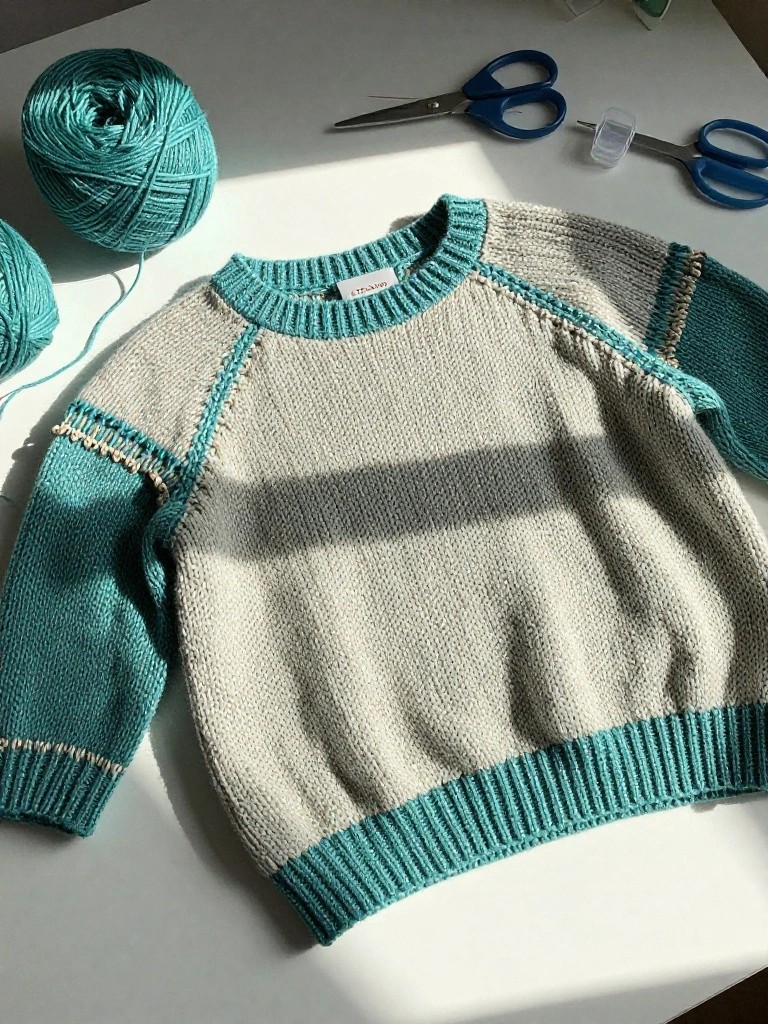
A color blocked sweater builds visual interest by dividing the garment into large sections of contrasting yarn rather than relying on complex stitch patterns. The body stays in a light neutral while the neckband, lower hem, and raglan-style sleeve panels use a bright teal for clear separation. Simple ribbing at the edges gives the piece structure and helps the color changes sit neatly. This approach fits the wearable category and works for both adult and child sizes.
What makes this idea useful is how the color placement can be changed without altering the overall construction. You could shrink the teal sections to use up small yarn leftovers or extend them for a bolder look. The design photographs cleanly because of the strong contrast, which helps it perform well when shared online. For gifts, the straightforward blocks make it simple to customize colors to match the recipient’s wardrobe.
Scalloped Edge Poncho Top
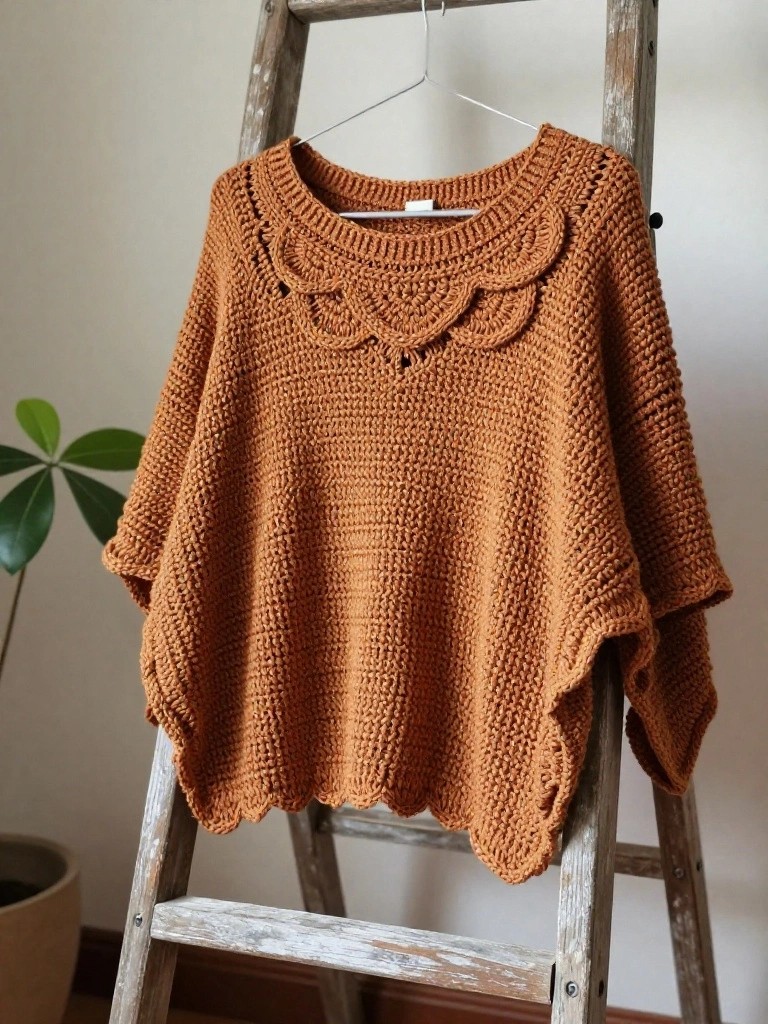
A loose poncho-style sweater built from basic rows creates an easy layering piece that drapes over shirts or tanks without much shaping. The scalloped border around the neckline gives a finished look while the simple stitch texture keeps the body straightforward to work. This design fits the wearable category and works best as a lightweight top for mild weather or indoor use.
What makes this idea useful is how the rectangular construction lets you change the width or length with minimal math. You can swap the color for something brighter to make it more seasonal or add fringe along the hem for a different finish. For gifts, a project like this stands out because it fits a range of sizes without precise fitting.
Hooded Pullover with Contrasting Front Pocket
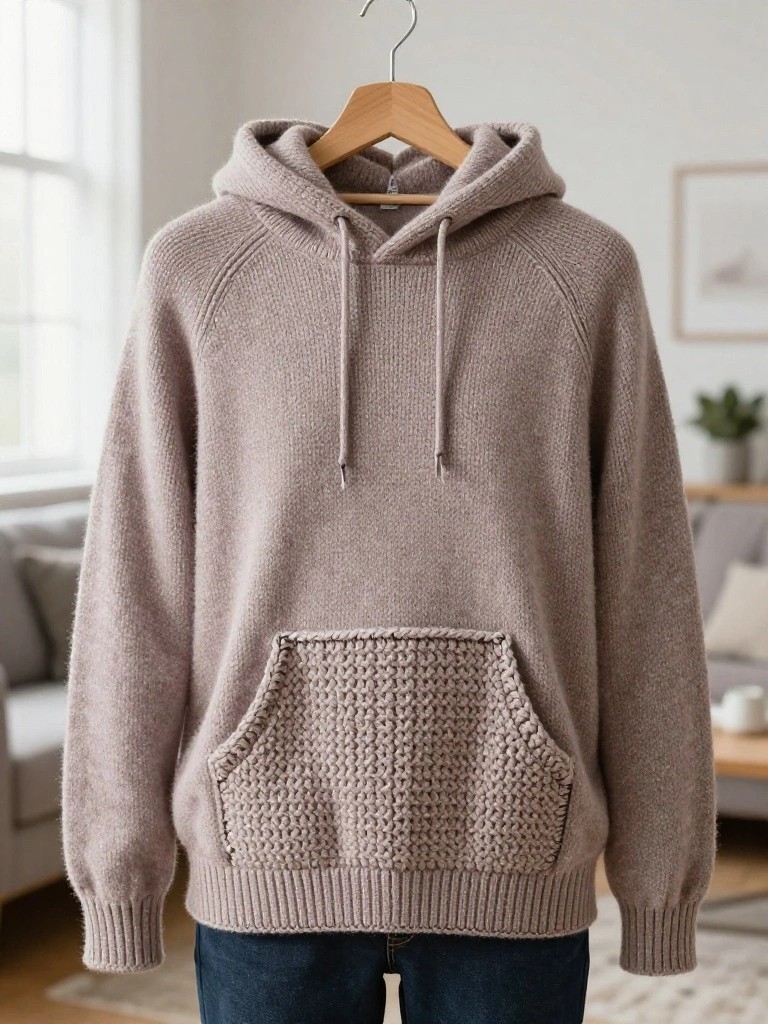
A hooded pullover stays straightforward for beginners because it uses basic shaping and seaming to create a wearable layer. The large front pocket stands out through its denser, bumpy stitch texture against the smoother main body, giving the design clear visual balance. This project fits the wearable category and works best as an everyday casual top. The neutral color helps the shape and pocket detail remain the focus without extra colorwork.
The structure makes this a smart option for a first sweater since the hood and pocket add interest without complicated stitches. You can easily change the pocket width or add a few inches to the hem for a longer fit. For gifts, a design like this turns out well in any solid color that matches the recipient’s usual wardrobe.
Frequently Asked Questions
What is the easiest pattern among the 19 for someone who has only made basic scarves or blankets before?
Start with a simple oversized pullover that uses only double crochet stitches and minimal shaping. These patterns often work in one piece or with basic rectangles sewn together. Begin by practicing the stitch pattern on a small swatch to check your tension, then follow the instructions row by row while counting stitches at the end of each section to avoid mistakes.
How much yarn should I buy if I want to make one of these sweaters in a medium size?
Most beginner patterns call for worsted weight yarn and suggest 800 to 1200 yards depending on the style and length. Always purchase an extra skein or two beyond the listed amount so you can match dye lots and have enough for any adjustments or repairs later. Check the pattern notes for the exact weight and fiber recommendations to ensure good drape and durability.
What can I do if I lose motivation halfway through crocheting the sweater?
Break the project into small daily goals such as completing one sleeve or finishing the body section. Set up a dedicated workspace with good lighting and keep your progress photos on your phone to see how far you have come. Many of these patterns include built in breaks like repeating rows that let you pause without losing your place, making it easier to return after a few days off.
How do I make sure the finished sweater fits well instead of turning out too loose or tight?
Take your own measurements for bust, waist, and arm length before starting and compare them to the pattern schematic. Crochet a gauge swatch using the recommended hook size and adjust your hook up or down if needed to match the stated stitches per inch. If the pattern offers multiple sizes, pick the one closest to your measurements and add or subtract rows in the body for a custom length.
Where can I find video tutorials that match the written instructions in these patterns?
Search for the specific pattern name plus the words crochet tutorial on YouTube or check the designer’s website for links to step by step videos. Many free resources walk through tricky parts like joining seams or working in the round. Pairing the video with the written pattern helps clarify abbreviations and ensures you finish with a polished result.
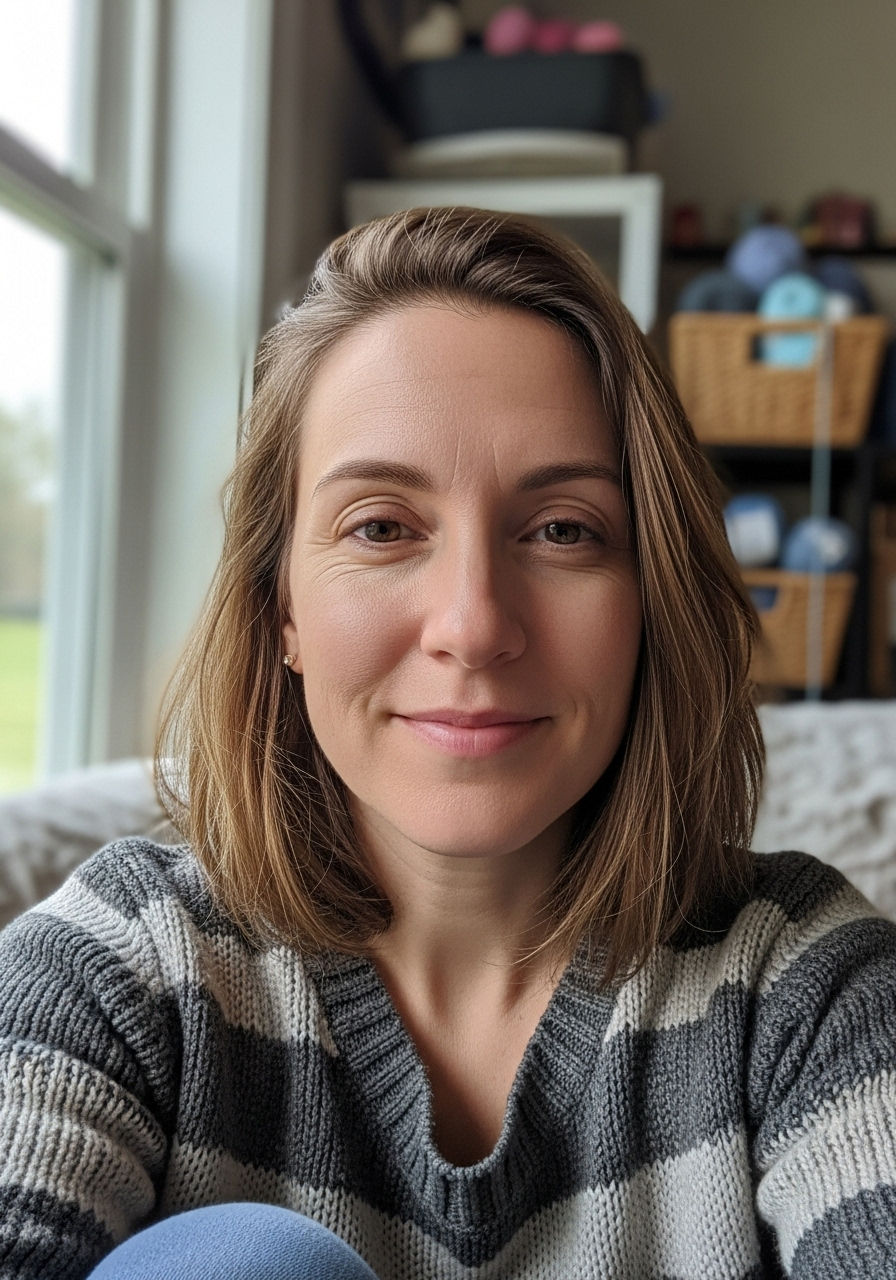
Hi, I’m Emily, the creator of The Yarn Haven.
I picked up my first crochet hook as a kid, sitting on the floor next to my grandmother while she worked on blankets for everyone in the family. What started as a simple hobby slowly became my favorite way to unwind and create something meaningful with my hands.
I believe crochet should feel relaxing, not stressful. Most of the ideas I share are simple, cozy, and practical. Things you can actually finish and enjoy, even if you only have a little time in the evenings.
The Yarn Haven is where I share crochet inspiration, yarn ideas, and projects that fit into real life. Nothing fancy. Just warm, handmade creativity that feels good from start to finish.